
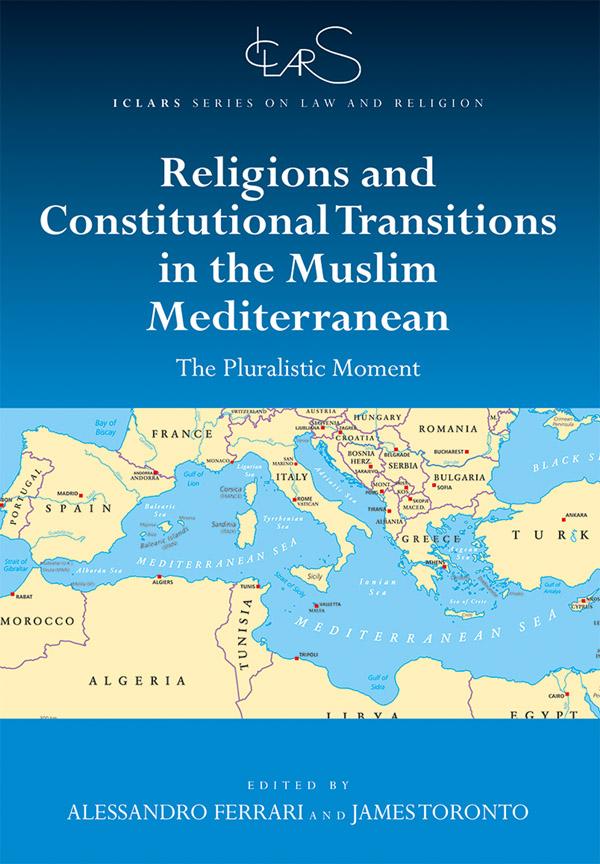
This book investigates the role of Islam and religious freedom in the constitutional transitions of six North African and Middle Eastern countries, namely Morocco, Algeria, Tunisia, Egypt, Turkey, and Palestine. In particular, the book, with an interdisciplinary approach, investigates the role of Islam as a political, institutional and societal force. Issues covered include: the role played by Islam as a constitutional reference – a "static force" able to strengthen and legitimize the entire constitutional order; Islam as a political reference used by some political parties in their struggle to acquire political power; and Islam as a specific religion that, like other religions in the area, embodies diverse perspectives on the nature and role of religious freedom in society. The volume provides insight about the political dimension of Islam, as used by political forces, as well as the religious dimension of Islam. This provides a new and wider perspective able to take into account the increasing social pluralism of the South-Mediterranean region. By analyzing three different topics – Islam and constitutionalism, religious political parties, and religious freedom – the book offers a dynamic picture of the role played by Islam and religious freedom in the process of state-building in a globalized age in which human rights and pluralism are crucial dimensions.
Pay easily by card, Klarna, Apple Pay or Google Pay. Not happy? You always have a 14-day money-back guarantee. Read more in our terms. If you have any questions, email us at hello@memmo.org.
Memmo makes studying easier – wherever you are in the world. We bring your course books and smart study tools together in one place: summaries, quizzes, podcasts and flashcards. Plus Ted, your study buddy who answers anything you wonder. Over 50,000 students already study here – built to help you learn faster and stress less.
You might also like
Buy the book0