
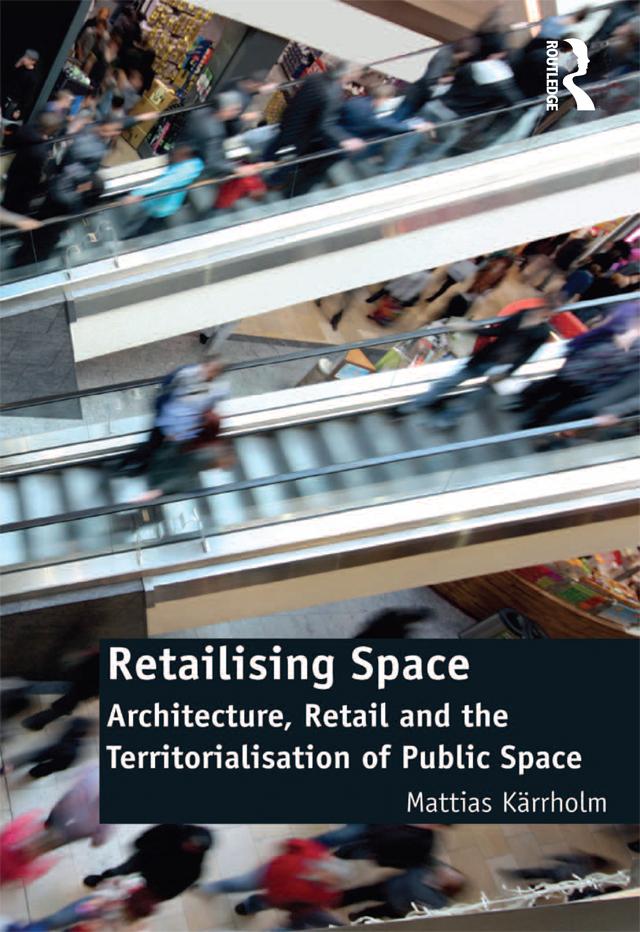
Over the past few years there has been a proliferation of new kinds of retail space. Retail space has cropped up just about everywhere in the urban landscape: in libraries, workplaces, churches and museums. In short, retail is becoming a more and more manifest part of the public domain. The traditional spaces of retail, such as city centres and outlying shopping malls, are either increasing in size or disappearing, producing new urban types and whole environments totally dedicated to retail. The creation of these new retail spaces has brought about a re- and de-territorialisation of urban public space, and has also led to transformations in urban design and type of materials used, and even in the logic and ways through which these design amenities meet the needs of retailers and/or consumers. This book describes how the retailisation of public domains affects our everyday life and our use of the built environment. Taking an architectural and territorial perspective on this issue, it looks specifically at how retail and consumption spaces have changed and territorialised urban life in different ways. It then develops a methodology and a set of concepts to describe and understand the role of architecture in these territorial transformations.
Pay easily by card, Klarna, Apple Pay or Google Pay. Not happy? You always have a 14-day money-back guarantee. Read more in our terms. If you have any questions, email us at hello@memmo.org.
Memmo makes studying easier – wherever you are in the world. We bring your course books and smart study tools together in one place: summaries, quizzes, podcasts and flashcards. Plus Ted, your study buddy who answers anything you wonder. Over 75,000 students already study here – built to help you learn faster and stress less.
You might also like
Buy the book0