
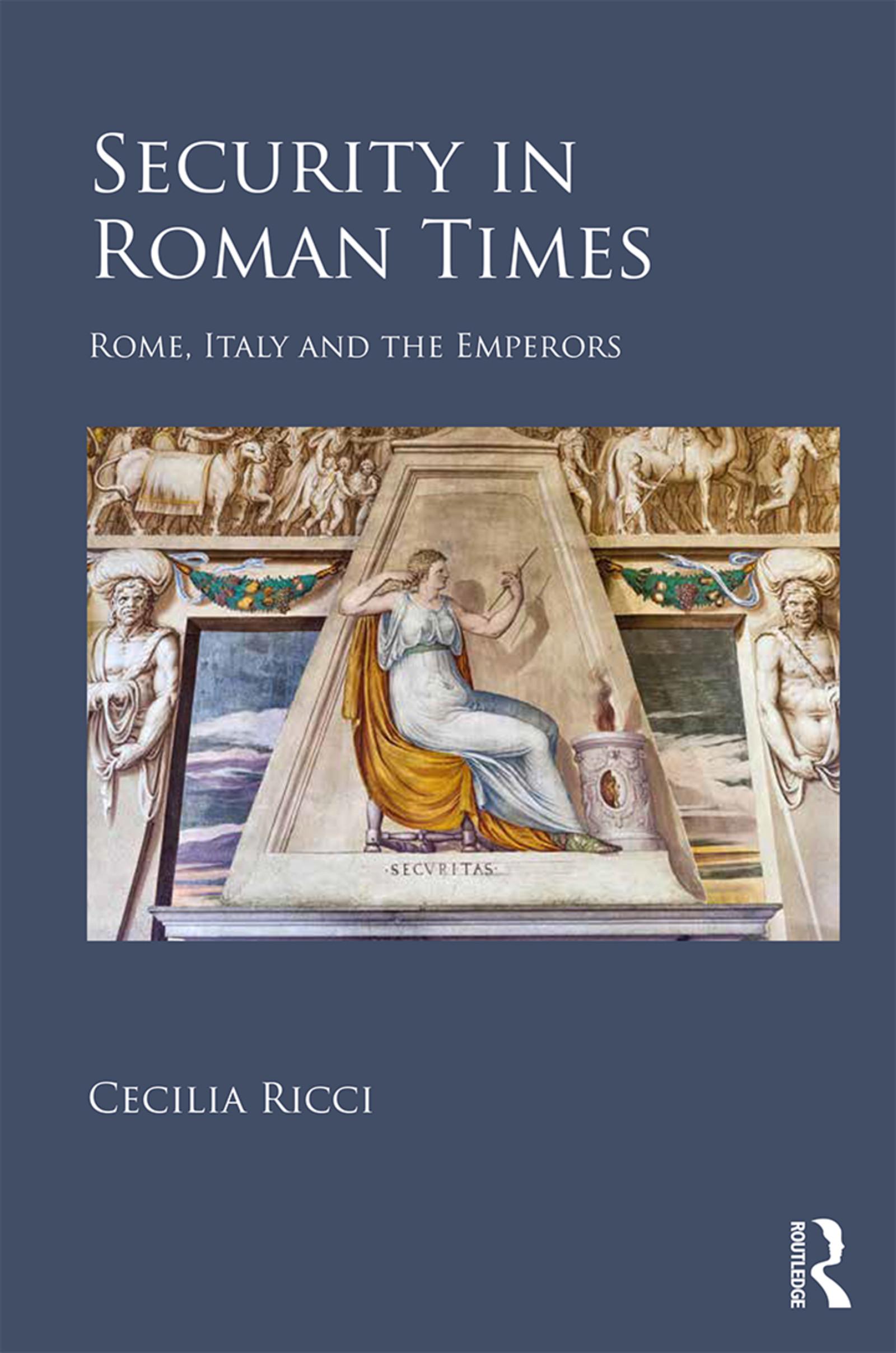
Using literary, epigraphic, numismatic and iconographic sources this book investigates the safety devices that were in place for the protection of the emperor and the city of Rome in the imperial age. In the aftermath of the civil wars Augustus continued to provide for his physical safety in the same way as in the old Republic while, at the same time, overturning the taboo of armed men in the city. During the Augustan age, the division of the city into 14 regions and 265 vici was designed to establish control over the urban space. Augustus’ successors consolidated his policy but the specific roles of the various military or paramilitary forces remain a matter for debate. Drawing on the testimony of ancient authors such as Tacitus and Suetonius and on material evidence, the volume examines both the circumstances in which these forces intervened and the strategies that they adopted. It also examines the pre-Augustan, Augustan and post-Augustan sense of ‘securitas’, both as a philosophical and a political concept. The final section expands the focus from the city of Rome to the Italian peninsula where the security of the emperor as he travelled to his country residences required advance planning and implementation.
Pay easily by card, Klarna, Apple Pay or Google Pay. Not happy? You always have a 14-day money-back guarantee. Read more in our terms. If you have any questions, email us at hello@memmo.org.
Memmo makes studying easier – wherever you are in the world. We bring your course books and smart study tools together in one place: summaries, quizzes, podcasts and flashcards. Plus Ted, your study buddy who answers anything you wonder. Over 75,000 students already study here – built to help you learn faster and stress less.