
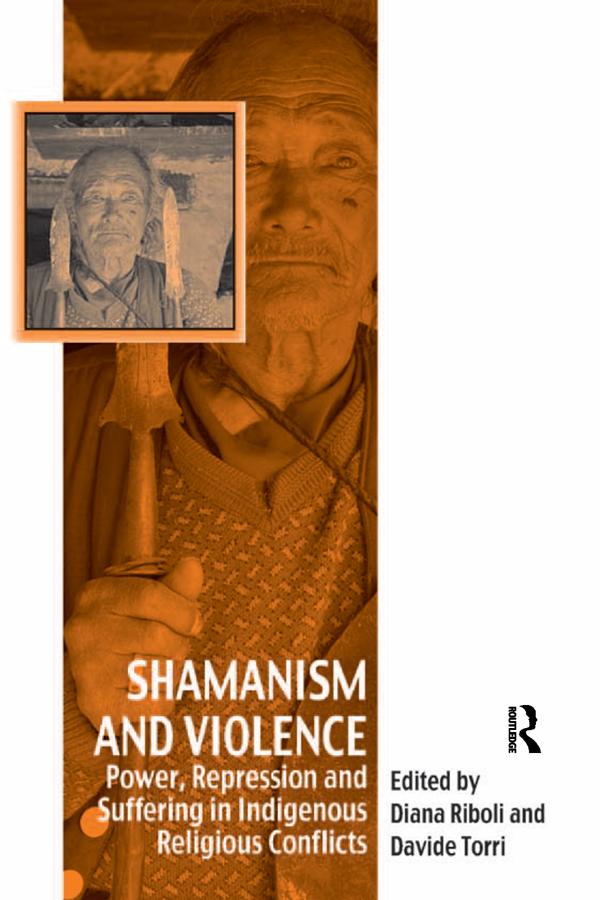
Proposing a new theoretical framework, this book explores Shamanism’s links with violence from a global perspective. Contributors, renowned anthropologists and authorities in the field, draw on their research in Mongolia, China, Korea, Malaysia, Nepal, India, Siberia, America, Papua New Guinea, Taiwan to investigate how indigenous shamanic cultures dealt, and are still dealing with, varying degrees of internal and external violence. During ceremonies shamans act like hunters and warriors, dealing with many states related to violence, such as collective and individual suffering, attack, conflict and antagonism. Indigenous religious complexes are often called to respond to direct and indirect competition with more established cultural and religious traditions which undermine the sociocultural structure, the sense of identity and the state of well-being of many indigenous groups. This book explores a more sensitive vision of shamanism, closer to the emic views of many indigenous groups.
Pay easily by card, Klarna, Apple Pay or Google Pay. Not happy? You always have a 14-day money-back guarantee. Read more in our terms. If you have any questions, email us at hello@memmo.org.
Memmo makes studying easier – wherever you are in the world. We bring your course books and smart study tools together in one place: summaries, quizzes, podcasts and flashcards. Plus Ted, your study buddy who answers anything you wonder. Over 50,000 students already study here – built to help you learn faster and stress less.
You might also like
Buy the book0