
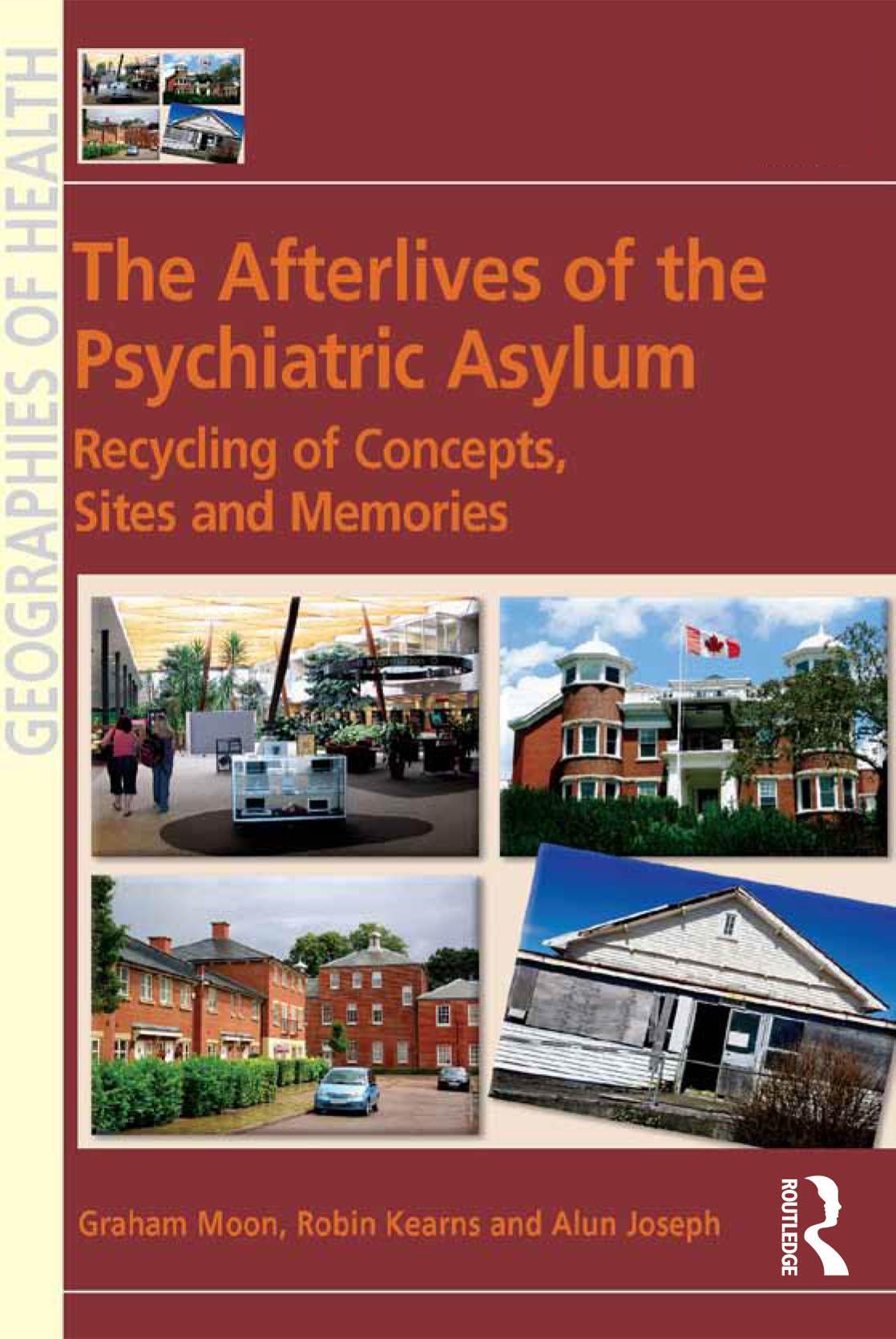
The last 40 years has seen a significant shift from state commitment to asylum-based mental health care to a mixed economy of care in a variety of locations. In the wake of this deinstitutionalisation, attention to date has focussed on users and providers of care. The consequences for the idea and fabric of the psychiatric asylum have remained 'stones unturned'. This book address an enduring yet under-examined question: what has become of the asylum? Focussing on the 'recycling' of both the idea of the psychiatric asylum and its sites, buildings and landscapes, this book makes theoretical connections to current trends in mental health care and to ideas in cultural/urban geography. The process of closing asylums and how asylums have survived in specific contexts and markets is assessed and consideration given to the enduring attraction of asylum and its repackaging as well as to retained mental health uses on former asylum sites, new uses on former sites, and interpretations of the derelict psychiatric asylum. The key questions examined are the challenges posed in seeking new uses for former asylums, the extent to which re-use can transcend stigma yet sustain memory and how location is critical in shaping the future of asylum and asylum sites.
Pay easily by card, Klarna, Apple Pay or Google Pay. Not happy? You always have a 14-day money-back guarantee. Read more in our terms. If you have any questions, email us at hello@memmo.org.
Memmo makes studying easier – wherever you are in the world. We bring your course books and smart study tools together in one place: summaries, quizzes, podcasts and flashcards. Plus Ted, your study buddy who answers anything you wonder. Over 75,000 students already study here – built to help you learn faster and stress less.
You might also like
Buy the book0