
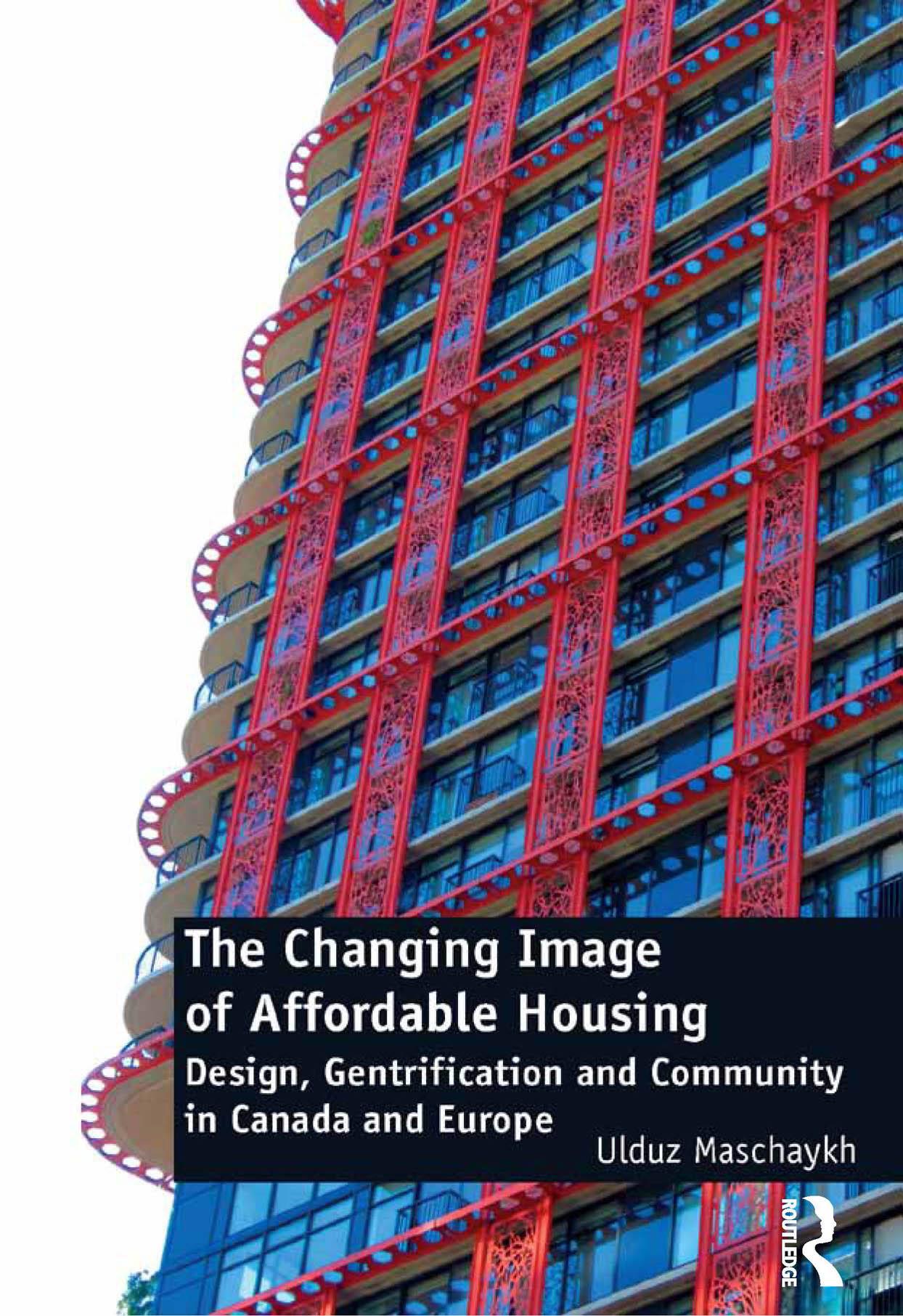
Illustrated by a range of case studies of affordable housing options in Canada, this book examines the liveability and affordability of twenty-first-century residential architecture. Focussing on the architects’ and communities’ commitment to these housing programmes, as well as that of the private building sector, it stresses the importance of the context of the neighbourhoods in which they are placed, which are either in the process of urban transition or already gentrified. In doing so, the book shows how, and to what extent, twenty-first-century dwelling architecture developments can help to create an integrated sense of community, diminish social and demographic exclusions in a neighbourhood and incorporate people’s desires as to what their buildings should look like. This book shows that there are significant architectural projects that help to meet the needs and desires of low- to middle-income households as well as homeowners, and that gentrification does not necessarily lead to the displacement of low-income families and singles if housing policies such as those highlighted in this book are put into place. Moreover, the migration of the middle class can result in a healthy mix of classes out of which everyone can enjoy a peaceful and habitable coexistence.
Pay easily by card, Klarna, Apple Pay or Google Pay. Not happy? You always have a 14-day money-back guarantee. Read more in our terms. If you have any questions, email us at hello@memmo.org.
Memmo makes studying easier – wherever you are in the world. We bring your course books and smart study tools together in one place: summaries, quizzes, podcasts and flashcards. Plus Ted, your study buddy who answers anything you wonder. Over 75,000 students already study here – built to help you learn faster and stress less.
You might also like
Buy the book0