
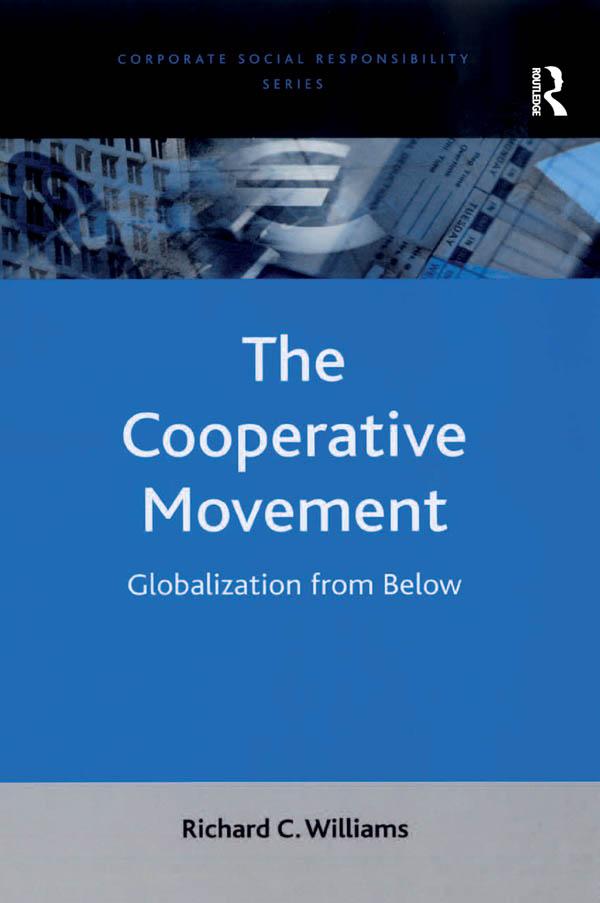
Richard Williams surveys the history of the cooperative movement from its origins in the 18th century and deals with the theory of cooperation, as contrasted with the 'Standard Economic Model', based on competition. The book contains the results of field studies of a number of successful cooperatives both in the developed and developing world. It includes insights from personal interviews of cooperative members and concludes by considering the successes and challenges of the cooperative movement as an alternative to the global neo-colonialism and imperialism that now characterizes free-market capitalist approaches to globalization. The book considers democratic and local control of essential economic activities such as the production, distribution, and retailing of goods and services. It suggests that cooperative approaches to these economic activities are already reducing poverty and resulting in equitable distributions of wealth and income without plundering the resources of developing countries.
Pages: 252
Category: Ekonomi & Utveckling
e-ISBN: 9781317037262
Shipping weight: 1.2 kg
Ships in: 1-2 days
Pay easily by card, Klarna, Apple Pay or Google Pay. Not happy? You always have a 14-day money-back guarantee. Read more in our terms. If you have any questions, email us at hello@memmo.org.
Memmo makes studying easier – wherever you are in the world. We bring your course books and smart study tools together in one place: summaries, quizzes, podcasts and flashcards. Plus Ted, your study buddy who answers anything you wonder. Over 50,000 students already study here – built to help you learn faster and stress less.
You might also like
Buy the book0