
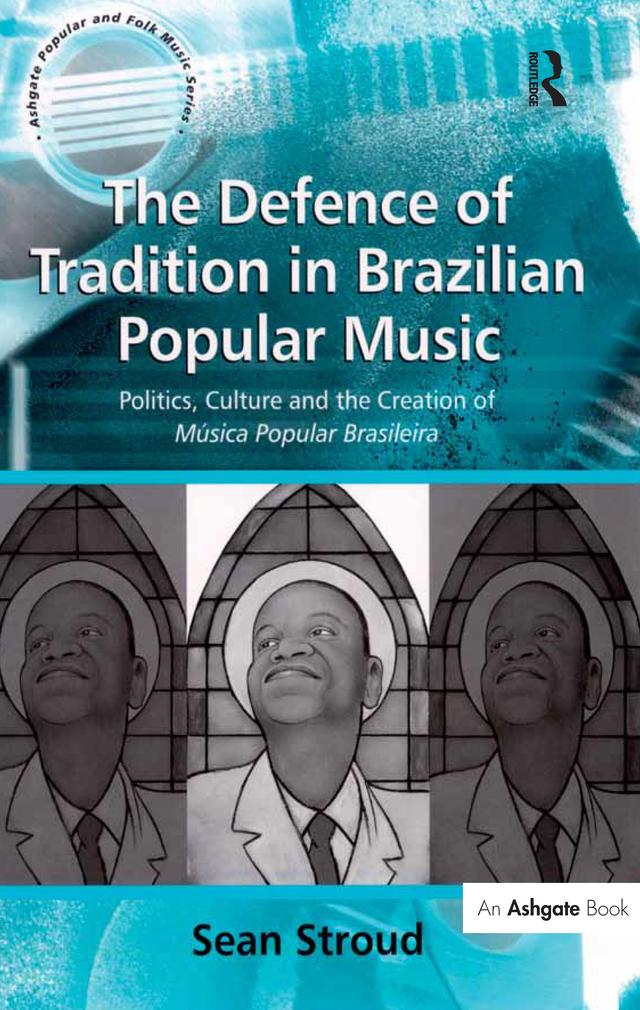
Sean Stroud examines how and why Música Popular Brasileira (MPB) has come to have such a high status, and why the musical tradition (including MPB) within Brazil has been defended with such vigour for so long. He emphasizes the importance of musical nationalism as an underlying ideology to discussions about Brazilian popular music since the 1920s, and the key debate on so-called 'cultural invasion' in Brazil. The roles of those responsible for the construction of the idea of MPB are examined in detail. Stroud analyses the increasingly close relationship that has developed between television and popular music in Brazil with particular reference to the post-1972 televised song festivals. He goes on to consider the impact of the Brazilian record industry in the light of theories of cultural imperialism and globalization and also evaluates governmental intervention relating to popular music in the 1970s. The importance of folklore and tradition in popular music that is present in both Mário de Andrade and Marcus Pereira's efforts to 'musically map' Brazil is clearly emphasized. Stroud contrasts these two projects with Hermano Vianna and Itaú Cultural's similar ventures at the end of the twentieth century that took a totally different view of musical 'authenticity' and tradition. Stroud concludes that the defence of musical traditions in Brazil is inextricably bound up with nationalistic sentiments and a desire to protect and preserve. MPB is the musical expression of the Brazilian middle class and has traditionally acted as a cultural icon because it is associated with notions of 'quality' by certain sectors of the media.
Pay easily by card, Klarna, Apple Pay or Google Pay. Not happy? You always have a 14-day money-back guarantee. Read more in our terms. If you have any questions, email us at hello@memmo.org.
Memmo makes studying easier – wherever you are in the world. We bring your course books and smart study tools together in one place: summaries, quizzes, podcasts and flashcards. Plus Ted, your study buddy who answers anything you wonder. Over 50,000 students already study here – built to help you learn faster and stress less.
You might also like
Buy the book0