
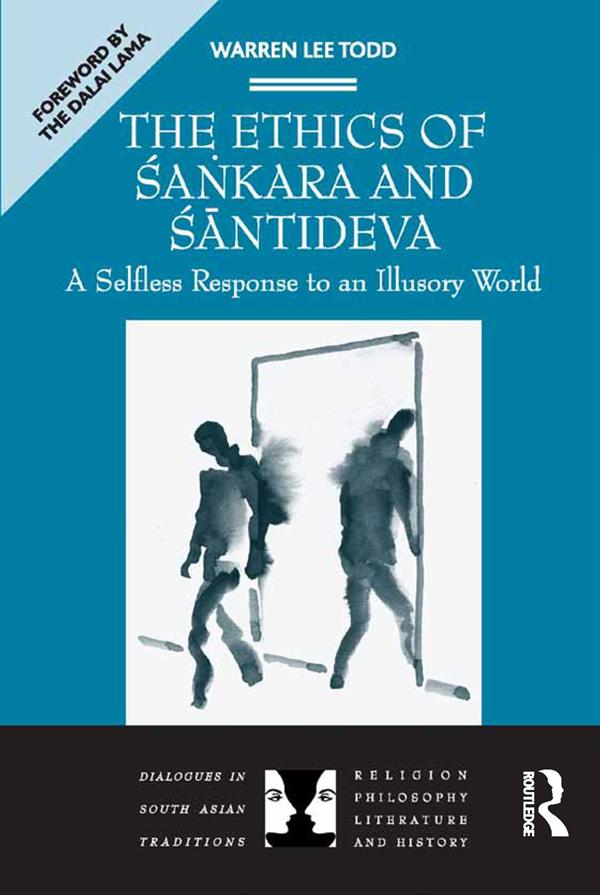
Exploring the philosophical concerns of the nature of self, this book draws from two of the most influential Indian masters, Śaṅkara and Śāntideva. Todd demonstrates that an ethics of altruism is still possible within a metaphysics which assumes there to be no independent self. A new ethical model based on the notions of ’flickering consciousness’ and ’constructive altruism’ is proposed. By comparing the metaphysics and ethics of Śaṅkara and Śāntideva, Todd shows that the methodologies and aims of these Buddhist and Hindu masters trace remarkably similar cross-cutting paths. Treating Buddhism and Hinduism with equal respect, this book compares and reinterprets the Indian material so as to engage with contemporary Western debates on self and to show that Indian philosophy is indeed a philosophy of dialogue.
Pay easily by card, Klarna, Apple Pay or Google Pay. Not happy? You always have a 14-day money-back guarantee. Read more in our terms. If you have any questions, email us at hello@memmo.org.
Memmo makes studying easier – wherever you are in the world. We bring your course books and smart study tools together in one place: summaries, quizzes, podcasts and flashcards. Plus Ted, your study buddy who answers anything you wonder. Over 50,000 students already study here – built to help you learn faster and stress less.