
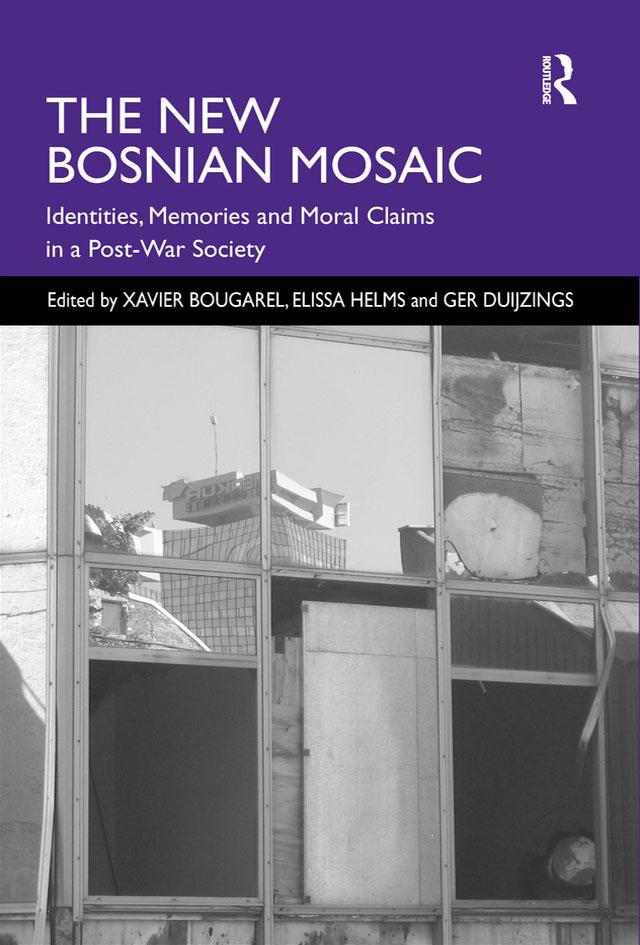
Since the violent events of the Bosnian war and the revelations of ethnic cleansing that shocked the world in the early 1990s, Bosnia has become a metaphor for the new ethnic nationalisms, for the transformation of warfare in the post-Cold War era, and for new forms of peacekeeping and state-building. This book is unique in offering a re-examination of the Bosnian case with a 'bottom-up' perspective. It gathers together cultural anthropologists and other social scientists to consider the specificities of the Bosnian case. However, the book also raises broader questions: what are the consequences of internecine violence and how should societies attempt to overcome them? Are the uncertainties and the transformations of Bosnian post-war society due entirely to the war, or are they related to wider processes encompassing post-communist Europe as a whole? And are the difficulties experienced by international state-building operations mainly due to distinctive features of the local societies or are they due to the policies promoted by the international community itself?
Pay easily by card, Klarna, Apple Pay or Google Pay. Not happy? You always have a 14-day money-back guarantee. Read more in our terms. If you have any questions, email us at hello@memmo.org.
Memmo makes studying easier – wherever you are in the world. We bring your course books and smart study tools together in one place: summaries, quizzes, podcasts and flashcards. Plus Ted, your study buddy who answers anything you wonder. Over 50,000 students already study here – built to help you learn faster and stress less.
You might also like
Buy the book0