
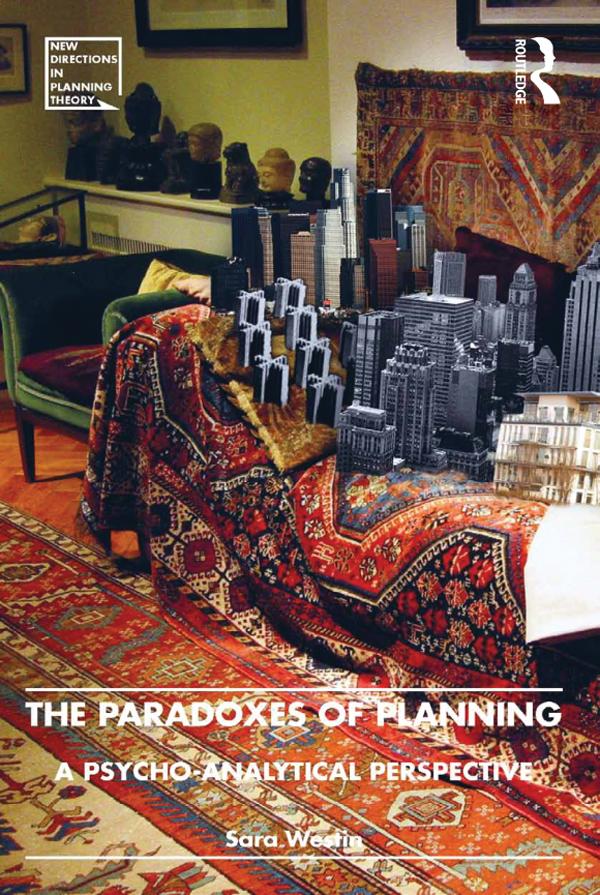
Why is it that modern architects and planners - these benevolent and socially visionary experts - have created environments that can make one feel so uneasy? Using a philosophical and psycho-analytical approach, this book critically examines expert knowledge within architecture and urban planning. Its point of departure is the gap between visions and realities, intentions and outcomes in planning, with particular focus on projects in Sweden that try to create an urban atmosphere. Finding insights from the work of Sigmund Freud and his followers, the book argues that urban planning during the 20th century is a neurotic activity prone to produce a type of alienation. Besides trying to understand the gap between intentions and outcomes in planning, the book also discusses how to define the concept of the urban, juxtaposing different knowledge traditions; contrasting the positivistic theory of space syntax with poetic-dialectical approaches, the planner view of the city with that of the flâneur, examining texts by Virginia Woolf and August Strindberg.
Pay easily by card, Klarna, Apple Pay or Google Pay. Not happy? You always have a 14-day money-back guarantee. Read more in our terms. If you have any questions, email us at hello@memmo.org.
Memmo makes studying easier – wherever you are in the world. We bring your course books and smart study tools together in one place: summaries, quizzes, podcasts and flashcards. Plus Ted, your study buddy who answers anything you wonder. Over 75,000 students already study here – built to help you learn faster and stress less.
You might also like
Buy the book0