
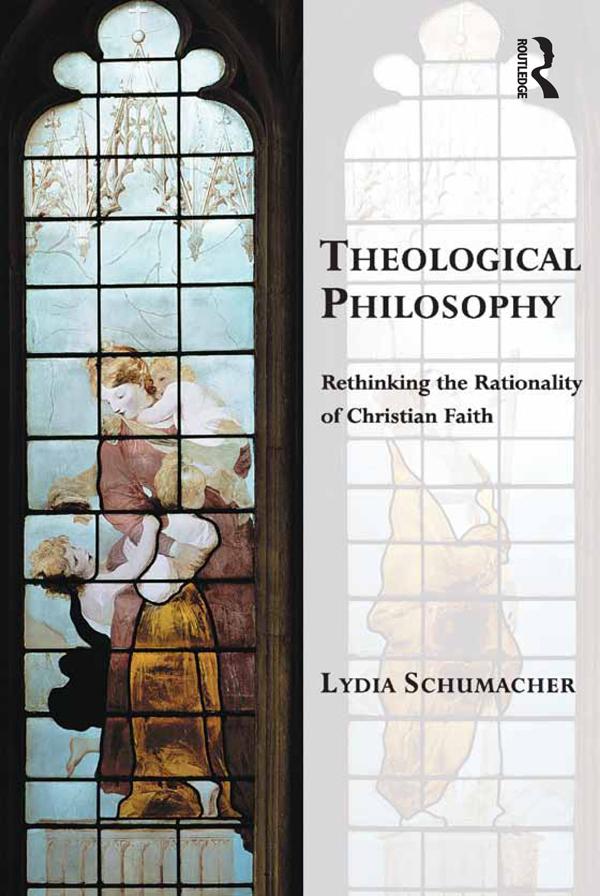
For much of the modern period, theologians and philosophers of religion have struggled with the problem of proving that it is rational to believe in God. Drawing on the thought of Thomas Aquinas, Theological Philosophy seeks to overturn the longstanding problem of proving faith's rationality and to establish instead that rationality requires to be explained by appeals to faith. Building on a constructive argument developed in a companion book, Rationality as Virtue, Lydia Schumacher advances the conclusion that belief in the God of Christian faith provides an exceptionally robust rationale for rationality and is as such intrinsically rational. At the same time, Schumacher overcomes a common tendency to separate spiritual from ordinary life, and construes the latter as the locus of proof for the rationality of Christian faith.
Pay easily by card, Klarna, Apple Pay or Google Pay. Not happy? You always have a 14-day money-back guarantee. Read more in our terms. If you have any questions, email us at hello@memmo.org.
Memmo makes studying easier – wherever you are in the world. We bring your course books and smart study tools together in one place: summaries, quizzes, podcasts and flashcards. Plus Ted, your study buddy who answers anything you wonder. Over 50,000 students already study here – built to help you learn faster and stress less.
You might also like
Buy the book0