
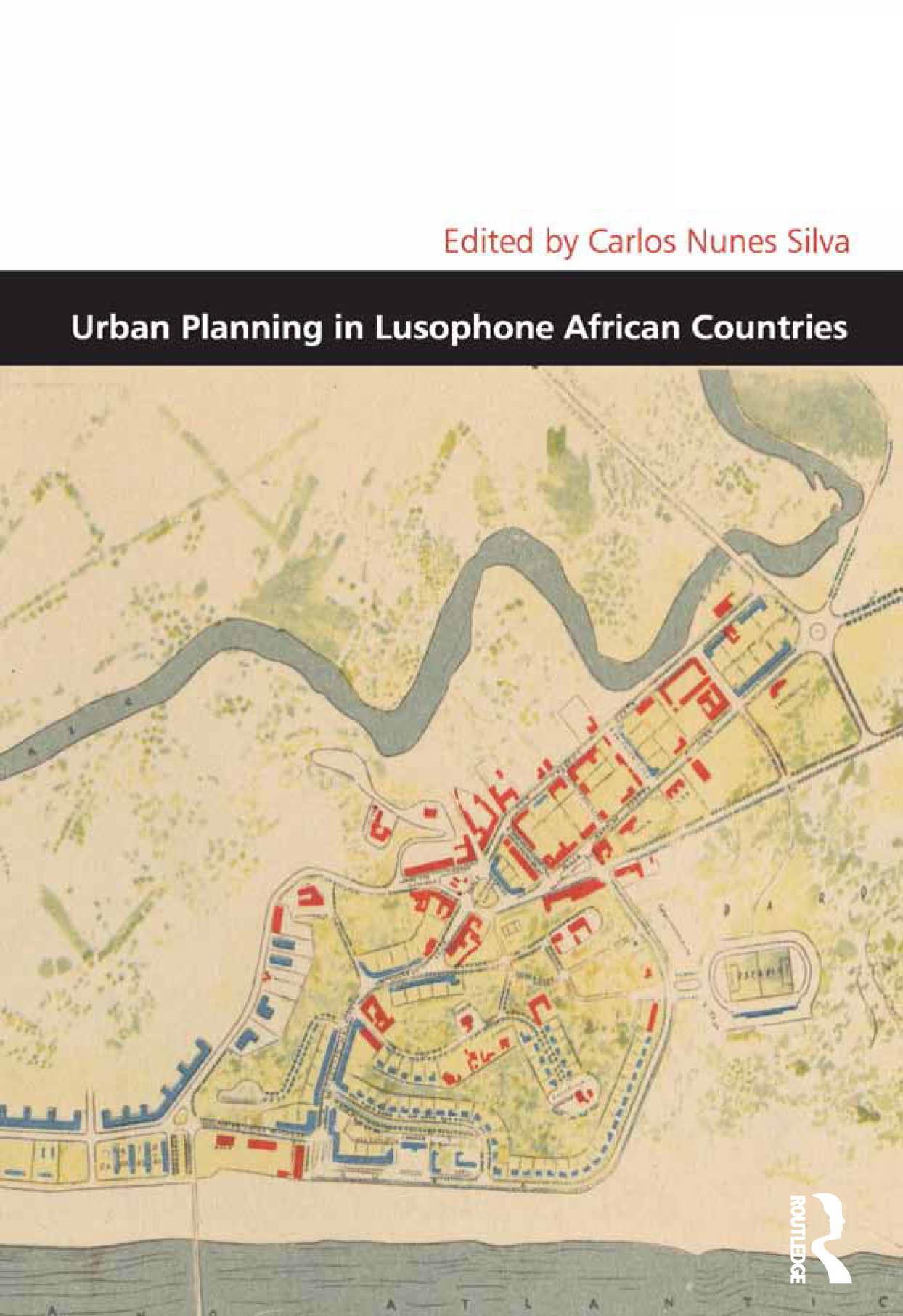
Urban planning on the five Lusophone African countries - Angola, Cape Verde, Guinea-Bissau, Mozambique, and Sao Tome and PrÃncipe - has so far been relatively overlooked in planning literature. Bringing together a team of leading scholars, this book fills the gap by providing an in-depth analysis of key issues in the history of urban planning and discussing the key challenges confronting contemporary urban planning in these countries. The book argues that urban planning is a non-neutral and non-value free kind of public action and, therefore, ideology, planning theories, urban models and the ideological role urban planning has played are some of the key issues addressed. For that reason, the practice of Urban Planning is also seen as the outcome of a complex interrelationship between structure and agency, with the role of key planers being examined in some of the chapters. The findings and insights presented by the contributing authors confirm previous research on urban planning in the colonial and postcolonial periods in Lusophone African countries and at the same time break fresh ground and offer additional insights as new evidence has been collected from archives and in fieldwork carried out by a new generation of researchers. In addition, it outlines possible directions for future research.
Pay easily by card, Klarna, Apple Pay or Google Pay. Not happy? You always have a 14-day money-back guarantee. Read more in our terms. If you have any questions, email us at hello@memmo.org.
Memmo makes studying easier – wherever you are in the world. We bring your course books and smart study tools together in one place: summaries, quizzes, podcasts and flashcards. Plus Ted, your study buddy who answers anything you wonder. Over 75,000 students already study here – built to help you learn faster and stress less.
You might also like
Buy the book0