
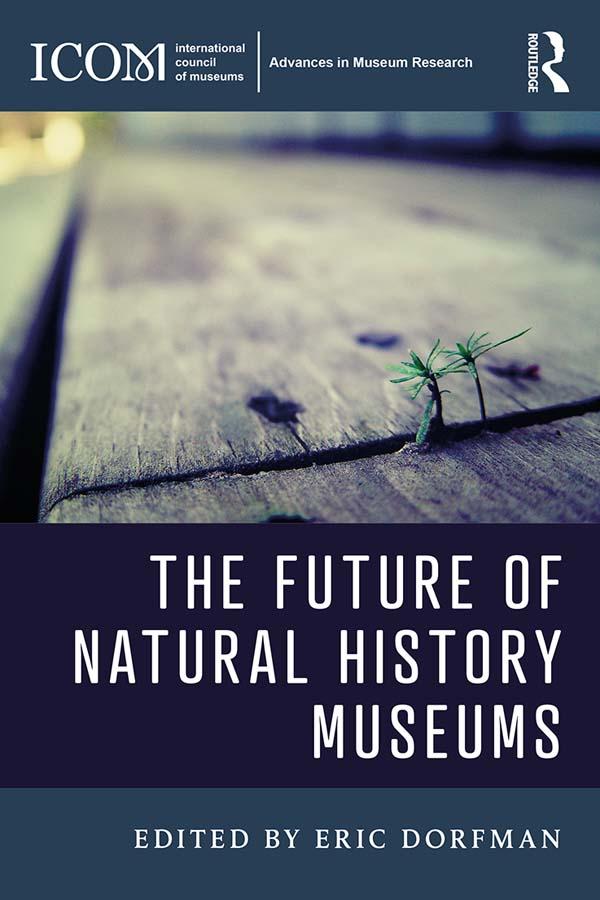
Natural history museums are changing, both because of their own internal development and in response to changes in context. Historically, the aim of collecting from nature was to develop encyclopedic assemblages to satisfy human curiosity and build a basis for taxonomic information. Today, with global biodiversity in rapid decline, there are new reasons to build and maintain collections, while audiences are more diverse, numerous, and technically savvy. Institutions must learn to embrace new technology while retaining the authenticity of their stories and the value placed on their objects.
The Future of Natural History Museums begins to develop a cohesive discourse that balances the disparate issues that our institutions will face over the next decades. It disassembles the topic into various key elements and, through commentary and synthesis, explores a cohesive picture of the trajectory of the natural history museum sector.
This book contributes to the study of collections, teaching and learning, ethics, and running non-profit businesses and will be of interest to museum and heritage professionals and academics and senior students in Biological Sciences and Museum Studies.
Pay easily by card, Klarna, Apple Pay or Google Pay. Not happy? You always have a 14-day money-back guarantee. Read more in our terms. If you have any questions, email us at hello@memmo.org.
Memmo makes studying easier – wherever you are in the world. We bring your course books and smart study tools together in one place: summaries, quizzes, podcasts and flashcards. Plus Ted, your study buddy who answers anything you wonder. Over 50,000 students already study here – built to help you learn faster and stress less.