
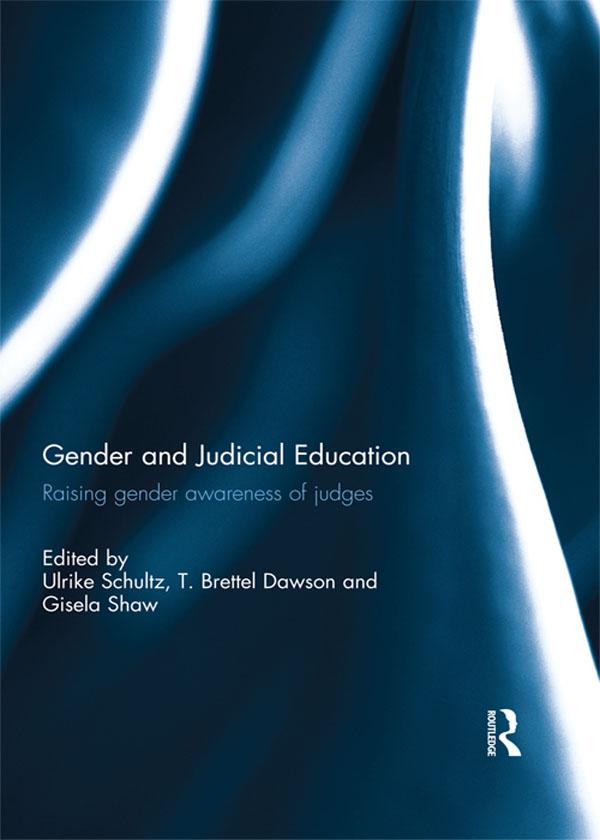
Judicial Education has greatly expanded in common law countries in the past 25 years. More recently it has become a core component in judicial reform programs in developing countries with gender attentiveness as an element required by donor agencies. In civil law jurisdictions judges´ schools have long played a role in the formation of the career judiciary with a focus on entry to the judicial profession, in some countries judges get an intensive in-service education at judicial academies. Gender questions, however, tend to be neglected in the curricula.
These judicial education activities have generated a significant body of material and experience which it is timely to review and disseminate. Questions such as the following require answers. What is the current state of affairs? How is judicial education implemented in developed and developing countries all around the world? Who are the educators? Who is being educated? How is judicial education on gender regarded by judges? How effective are these programs?
The chapters in this book deal with these questions. They provide a multiplicity of perspectives. Six countries are represented, of these four are civil law countries (Germany, Argentina, Japan, Bosnia and Herzegovina) and two are common law countries (Canada; Uganda). This book was previously published as a special issue of International Journal of the Legal Profession.
Pay easily by card, Klarna, Apple Pay or Google Pay. Not happy? You always have a 14-day money-back guarantee. Read more in our terms. If you have any questions, email us at hello@memmo.org.
Memmo makes studying easier – wherever you are in the world. We bring your course books and smart study tools together in one place: summaries, quizzes, podcasts and flashcards. Plus Ted, your study buddy who answers anything you wonder. Over 50,000 students already study here – built to help you learn faster and stress less.