
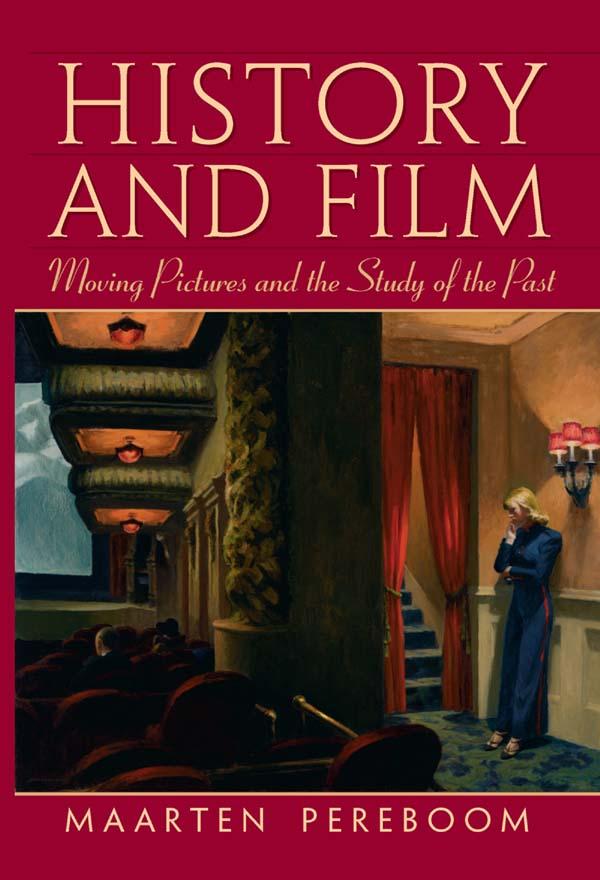
The ability to view recorded moving pictures has had a major impact on human culture since the development of the necessary technologies over a century ago. For most of this time people have gone to the movies to be entertained and perhaps edified, but in the meantime television, the videocassette recorder (VCR), the digital versatile disk (DVD) player, the personal computer (desktop and laptop), the internet and other technologies have made watching moving pictures possible at home, in the classroom and just about anywhere else. Today, moving images are everywhere in our culture. Every day, moving picture cameras record millions of hours of activity, human and otherwise, all over the world: your cell phone makes a little video of your friends at a party; the surveillance camera at the bank keeps on eye on customers; journalists’ shoulder-carried cameras record the latest from the war zone; and across the world film artists work on all kinds of movies, from low-budget independent projects to the next big-budget Hollywood blockbuster.
Moving pictures have had a great influence on human culture, and this book focuses on using moving images as historical evidence. Studying history means examining evidence from the past to understand, interpret and present what has happened in different times and places. We talk and write about what we have learned, hoping to establish credibility both for what we have determined to be the facts and for whatever meaning or significance we may attach to our reconstruction of the past. Studying history is a scientific process, involving a fairly set methodology. We tend to favor written sources, and we have tended to favor writing as a means of presenting our views of the past. But historians also use all kinds of other documents and artifacts in their work of interpreting the past, including moving pictures.
Pay easily by card, Klarna, Apple Pay or Google Pay. Not happy? You always have a 14-day money-back guarantee. Read more in our terms. If you have any questions, email us at hello@memmo.org.
Memmo makes studying easier – wherever you are in the world. We bring your course books and smart study tools together in one place: summaries, quizzes, podcasts and flashcards. Plus Ted, your study buddy who answers anything you wonder. Over 50,000 students already study here – built to help you learn faster and stress less.