
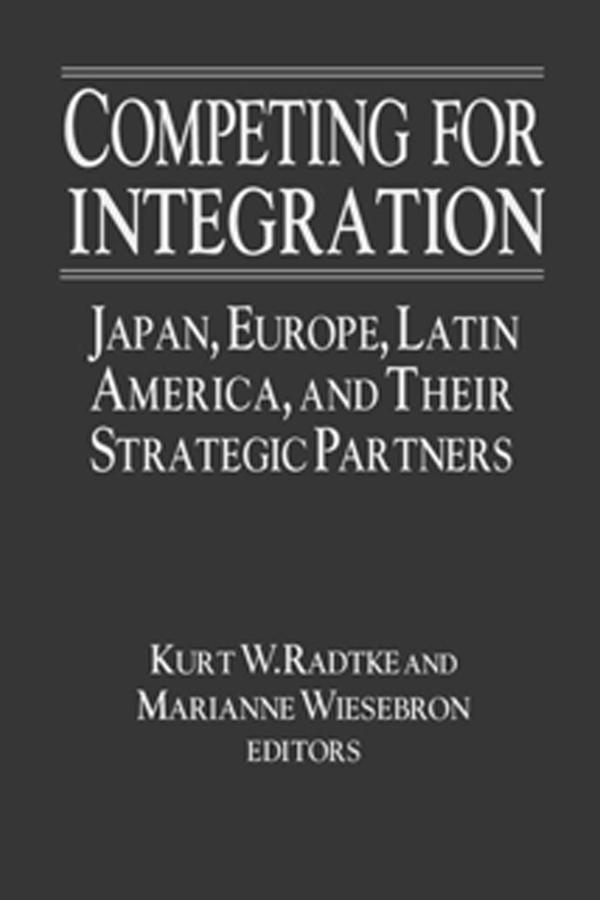
This study demonstrates why the global economy and global policies can only be understood by assigning equal importance to actors from different continents and international institutions. The contributors begin by examining the effects of reducing trade barriers through the WTO processes, and the implications for our understanding of market forces, the diminishing capacity of governments, consumer power, and the role of international agreements. They provide fascinating details on how the European Union and Japan develop their own strategies toward emerging Asian and Latin American states, quite separately from the United States.The focus then shifts toward integration processes in Latin America. The book concludes by attempting to make sense of the political principles underlying the complex economic policies of the main actors in today's global economy, focusing on development strategies offered by the World Bank.
Pay easily by card, Klarna, Apple Pay or Google Pay. Not happy? You always have a 14-day money-back guarantee. Read more in our terms. If you have any questions, email us at hello@memmo.org.
Memmo makes studying easier – wherever you are in the world. We bring your course books and smart study tools together in one place: summaries, quizzes, podcasts and flashcards. Plus Ted, your study buddy who answers anything you wonder. Over 50,000 students already study here – built to help you learn faster and stress less.
You might also like
Buy the book0