
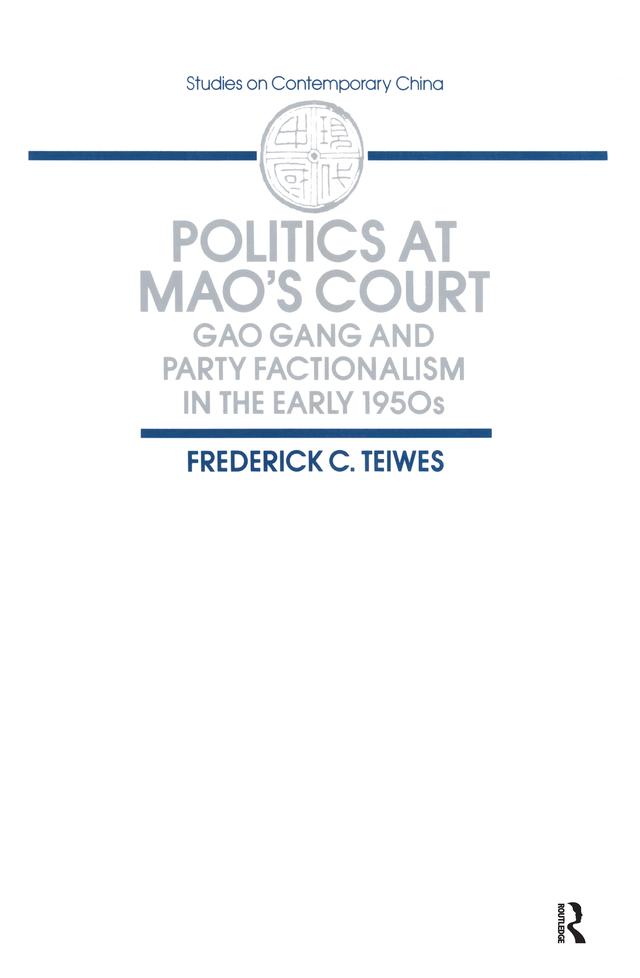
The investigation of the rise and fall of Gao Gang suggests broader implications on the nature of elite politics in the Maoist era. The illumination of basic issues in Chinese politics in the context of this case, especially as regards the role of Mao Zedong, is relevant not only to the initial post-1949 period of comparative, but flawed, party unity, but also to the structural fault lines of the political system which were later to contribute so significantly to the Cultural Revolution.
Pay easily by card, Klarna, Apple Pay or Google Pay. Not happy? You always have a 14-day money-back guarantee. Read more in our terms. If you have any questions, email us at hello@memmo.org.
Memmo makes studying easier – wherever you are in the world. We bring your course books and smart study tools together in one place: summaries, quizzes, podcasts and flashcards. Plus Ted, your study buddy who answers anything you wonder. Over 50,000 students already study here – built to help you learn faster and stress less.
You might also like
Buy the book0