
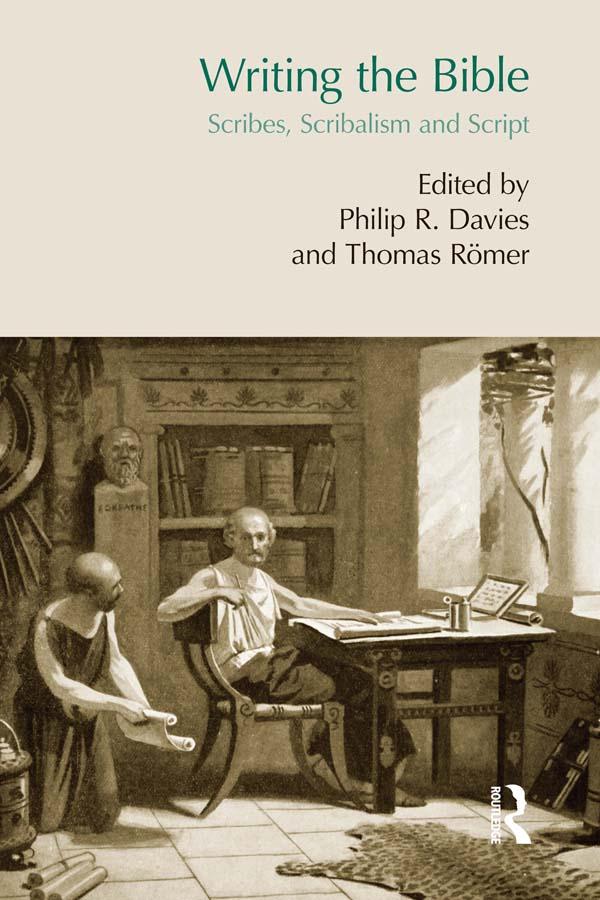
For many years it has been recognized that the key to explaining the production of the Bible lies in understanding the profession, the practice and the mentality of scribes in the ancient Near East, classical Greece and the Greco-Roman world. In many ways, however, the production of the Jewish literary canon, while reflecting wider practice, constitutes an exception because of its religious function as the written "word of God", leading in turn to the veneration of scrolls as sacred and even cultic objects in themselves. "Writing the Bible" brings together the wide-ranging study of all major aspects of ancient writing and writers. The essays cover the dissemination of texts, book and canon formation, and the social and political effects of writing and of textual knowledge. Central issues discussed include the status of the scribe, the nature of 'authorship', the relationship between copying and redacting, and the relative status of oral and written knowledge. The writers examined include Ilimilku of Ugarit, the scribes of ancient Greece, Ben Sira, Galen, Origen and the author of Pseudo-Clement.
Pay easily by card, Klarna, Apple Pay or Google Pay. Not happy? You always have a 14-day money-back guarantee. Read more in our terms. If you have any questions, email us at hello@memmo.org.
Memmo makes studying easier – wherever you are in the world. We bring your course books and smart study tools together in one place: summaries, quizzes, podcasts and flashcards. Plus Ted, your study buddy who answers anything you wonder. Over 50,000 students already study here – built to help you learn faster and stress less.
You might also like
Buy the book0