
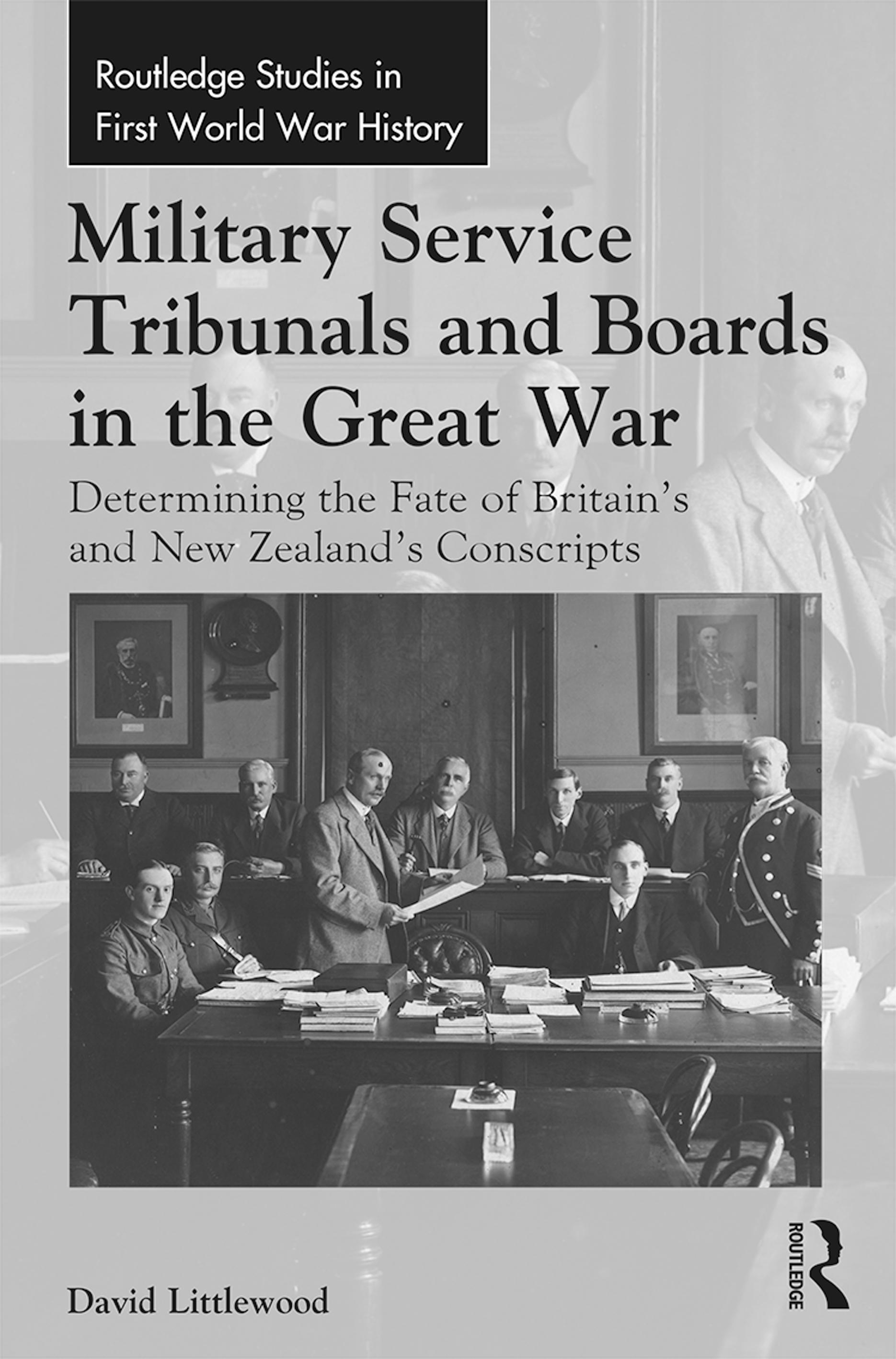
While a plethora of studies have discussed why so many men decided to volunteer for the army during the Great War, the experiences of those who were called up under conscription have received relatively little scrutiny. Even when the implementation of the respective Military Service Acts has been investigated, scholars have usually focused on only the distinct minority of those eligible who expressed conscientious objections. It is rare to see equal significance placed on the fact that substantial numbers of men appealed, or were appealed for, on the grounds that their domestic, business, or occupational circumstances meant they should not be expected to serve. David Littlewood analyses the processes undergone by these men, and the workings of the bodies charged with assessing their cases, through a sustained transnational comparison of the British and New Zealand contexts.
Pay easily by card, Klarna, Apple Pay or Google Pay. Not happy? You always have a 14-day money-back guarantee. Read more in our terms. If you have any questions, email us at hello@memmo.org.
Memmo makes studying easier – wherever you are in the world. We bring your course books and smart study tools together in one place: summaries, quizzes, podcasts and flashcards. Plus Ted, your study buddy who answers anything you wonder. Over 50,000 students already study here – built to help you learn faster and stress less.