
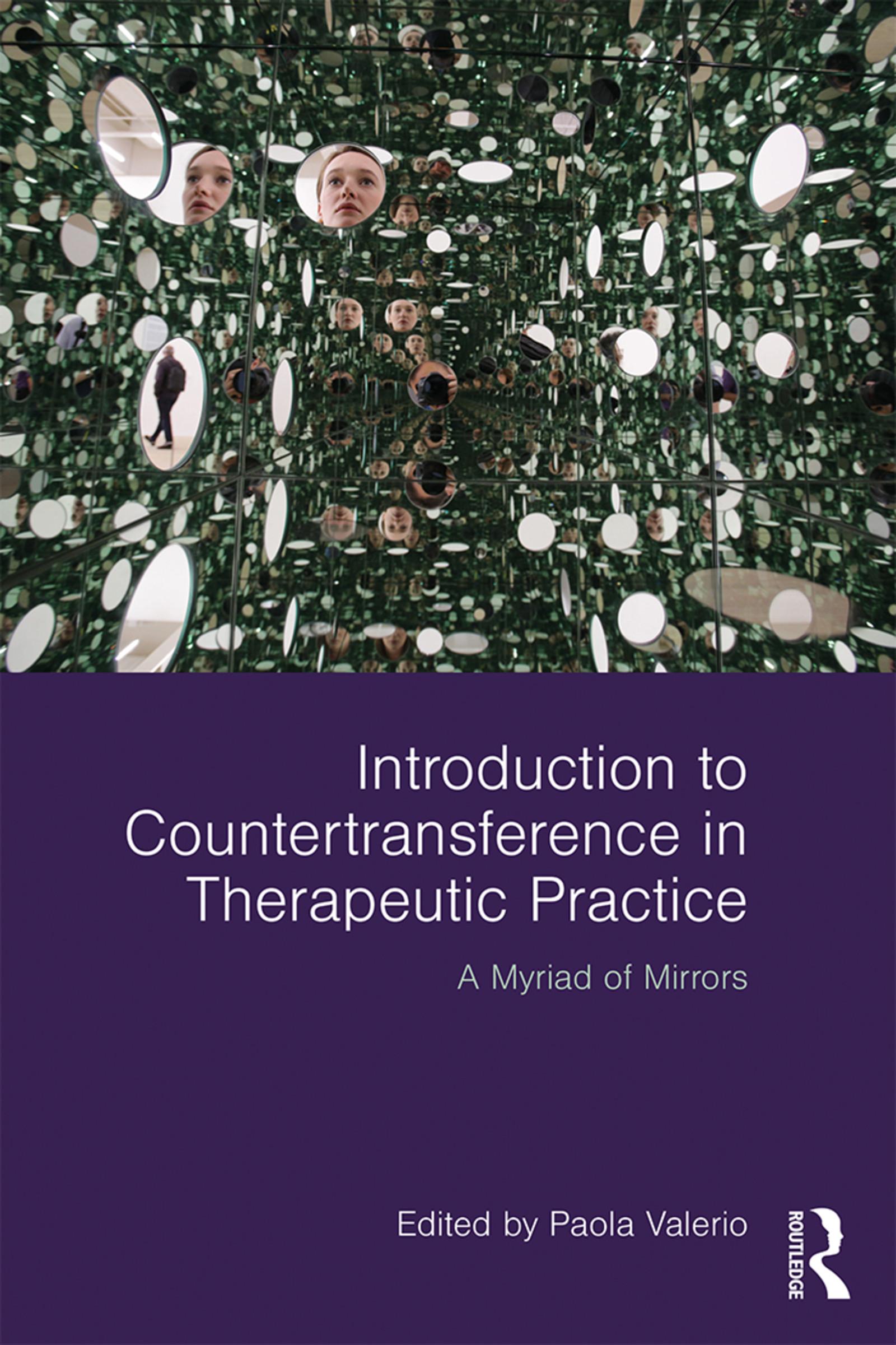
While transference has been fully described in the literature, countertransference has been viewed as its ugly sibling, and hence there are still not as many reflective accounts or guidance for trainees about how to handle difficult emotions, such as shame and envy and conflict in the consulting room. As a counterpoint, this book provides an integrative guide for therapists on the concept of countertransference, and takes a critical stance on the phenomenon, and theorising, about the "so-called" countertransference, viewing it as a framework to explore the transformative potential in managing strong emotions and difficult transactions.
With an explicit focus on teaching, this book informs therapeutic practice by mixing theories and case studies from the authors' own clinical and teaching experiences, which involves the reader in case studies, reflection and action points. Countertransference is explored in a wide range of clinical settings, including in reflective practice and in research in the field of therapy, as well as in art therapy and in the school setting. It also considers countertransference in dream interpretation, in the supervision and teaching environment and in work with groups and organisations.
Introduction to Countertransference in Therapeutic Practice offers psychotherapists and counsellors, both practicing and in training, a comprehensive overview of this important concept, from its roots in Freud’s work to its place today in a global, transcultural society.
Pay easily by card, Klarna, Apple Pay or Google Pay. Not happy? You always have a 14-day money-back guarantee. Read more in our terms. If you have any questions, email us at hello@memmo.org.
Memmo makes studying easier – wherever you are in the world. We bring your course books and smart study tools together in one place: summaries, quizzes, podcasts and flashcards. Plus Ted, your study buddy who answers anything you wonder. Over 50,000 students already study here – built to help you learn faster and stress less.