
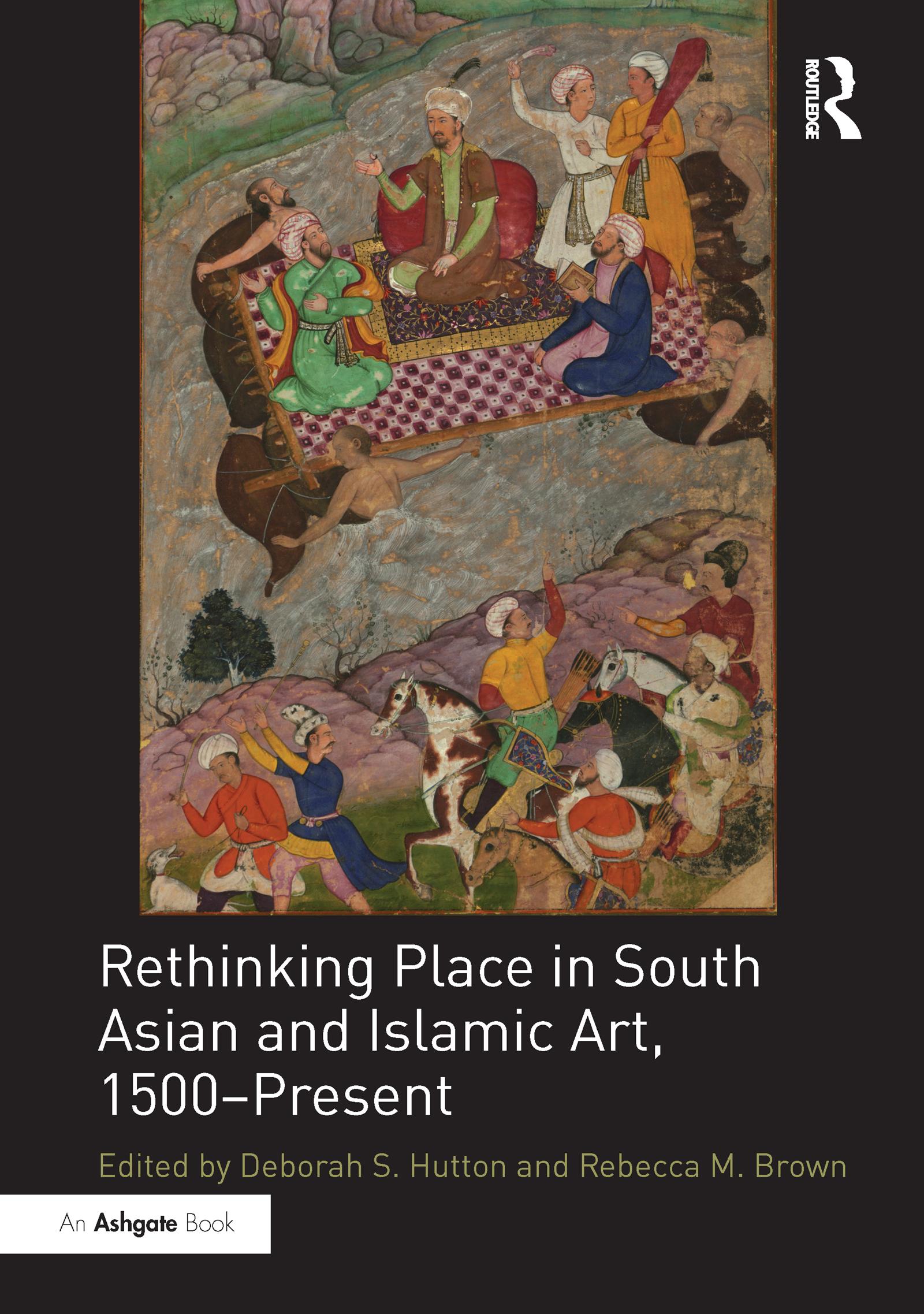
Place plays a fundamental role in the structuring of the discipline of Art History. And yet, place also limits the questions art historians can ask and impairs analysis of objects and locations in the interstices of established, ossified categories. The chapters in this interdisciplinary volume investigate place in all of its dynamism and complexity: several call into question traditional constructions regarding place in Art History, while others explore the fundamental role that place plays in lived experience. The particular nexus for this collection lies at the intersection and overlap of two major subfields in the history of art: South Asia and the Islamic world, both of which are seemingly geographically determined, yet at the same time uncategorizable as place with their ever-shifting and contested borders. The eleven chapters brought together here move from the early modern through to the contemporary, and span particular monuments and locations ranging from Asia and Europe to Africa and the Americas. The chapters take on the question of place as it operates in more obvious settings, such as architectural monuments and exhibitionary contexts, while also probing the way place operates when objects move or when the very place they exist in transforms dramatically. This volume engages place through the movement of objects, the evocation of senses, desires, and memories and the on-going project of articulating the parameters of place and location.
Pay easily by card, Klarna, Apple Pay or Google Pay. Not happy? You always have a 14-day money-back guarantee. Read more in our terms. If you have any questions, email us at hello@memmo.org.
Memmo makes studying easier – wherever you are in the world. We bring your course books and smart study tools together in one place: summaries, quizzes, podcasts and flashcards. Plus Ted, your study buddy who answers anything you wonder. Over 50,000 students already study here – built to help you learn faster and stress less.