
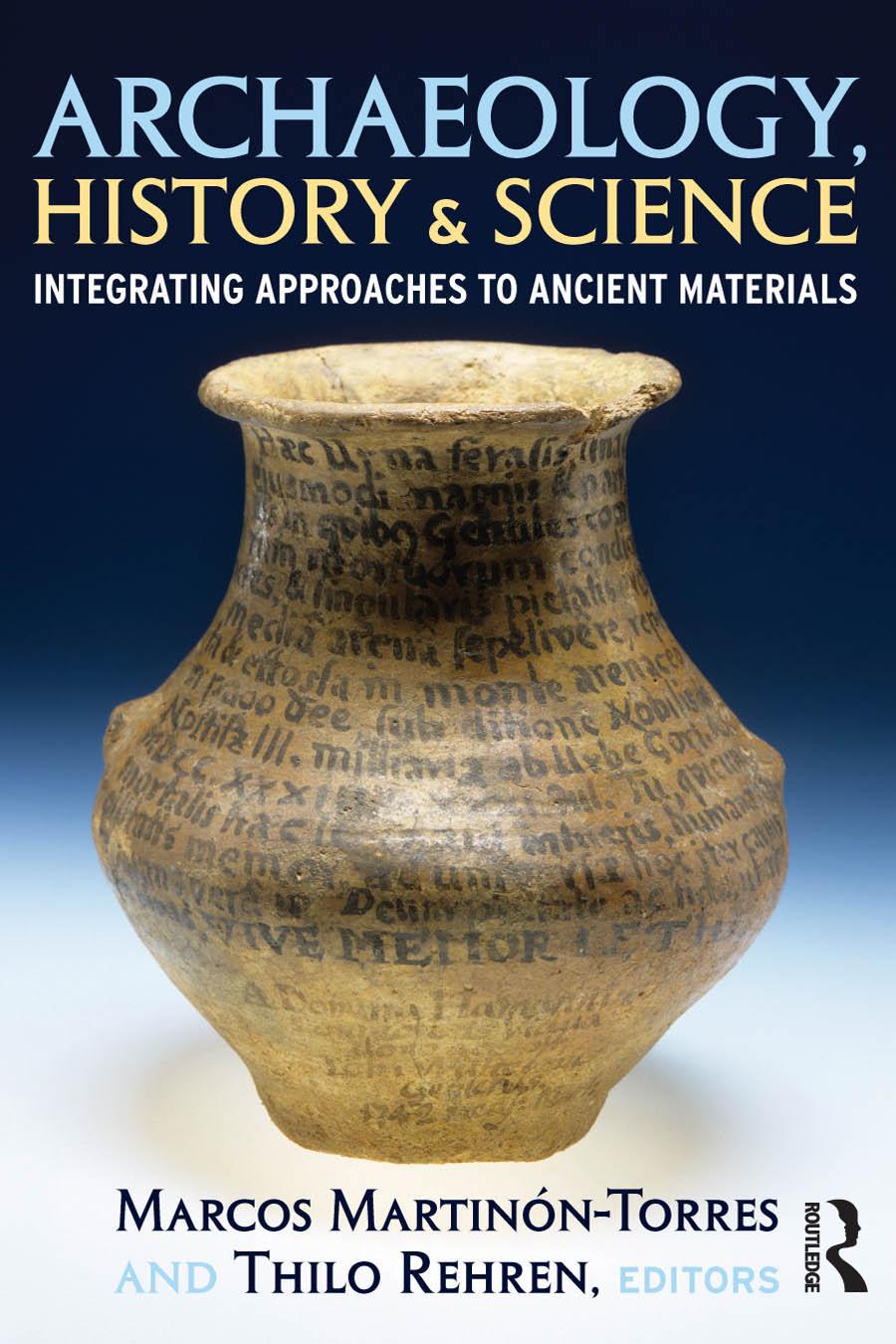
Using a combination of historical, archaeological, and scientific data is not an uncommon research practice. Rarely found, however, is a more overt critical consideration of how these sources of information relate to each other, or explicit attempts at developing successful strategies for interdisciplinary work. The authors in this volume provide such critical perspectives, examining materials from a wide range of cultures and time periods to demonstrate the added value of combining in their research seemingly incompatible or even contradictory sources. Case studies include explorations of the symbolism of flint knives in ancient Egypt, the meaning of cuneiform glass texts, medieval metallurgical traditions, and urban archaeology at industrial sites. This volume is noteworthy, as it offers novel contributions to specific topics, as well as fundamental reflections on the problems and potentials of the interdisciplinary study of the human past.
Pay easily by card, Klarna, Apple Pay or Google Pay. Not happy? You always have a 14-day money-back guarantee. Read more in our terms. If you have any questions, email us at hello@memmo.org.
Memmo makes studying easier – wherever you are in the world. We bring your course books and smart study tools together in one place: summaries, quizzes, podcasts and flashcards. Plus Ted, your study buddy who answers anything you wonder. Over 75,000 students already study here – built to help you learn faster and stress less.
You might also like
Buy the book0