
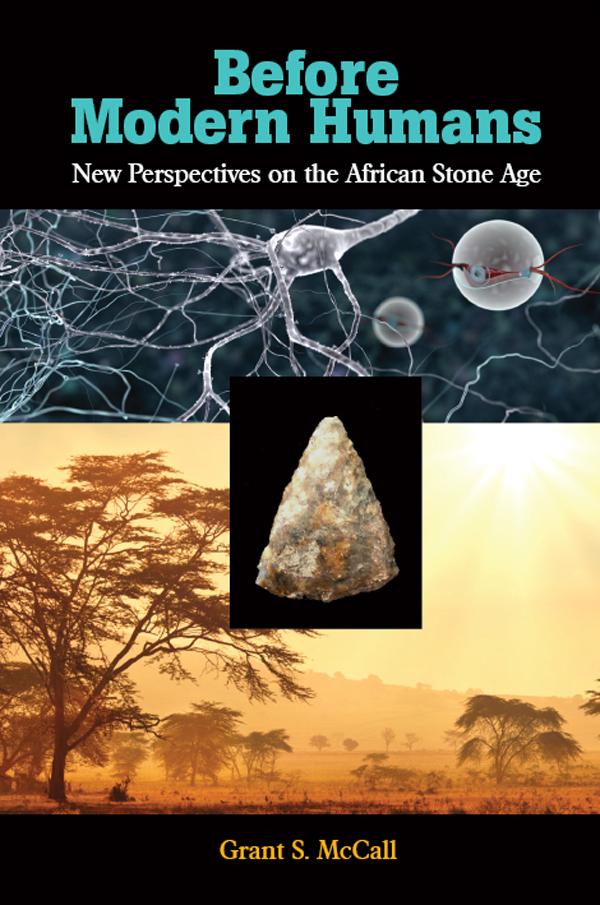
This fascinating volume, assessing Lower and Middle Pleistocene African prehistory, argues that the onset of the Middle Stone Age marks the origins of landscape use patterns resembling those of modern human foragers. Inaugurating a paradigm shift in our understanding of modern human behavior, Grant McCall argues that this transition—related to the origins of “home base” residential site use—occurred in mosaic fashion over the course of hundreds of thousands of years. He concludes by proposing a model of brain evolution driven by increasing subsistence diversity and intensity against the backdrop of larger populations and Pleistocene environmental unpredictability. McCall argues that human brain size did not arise to support the complex patterns of social behavior that pervade our lives today, but instead large human brains were co-opted for these purposes relatively late in prehistory, accounting for the striking archaeological record of the Upper Pleistocene.
Pay easily by card, Klarna, Apple Pay or Google Pay. Not happy? You always have a 14-day money-back guarantee. Read more in our terms. If you have any questions, email us at hello@memmo.org.
Memmo makes studying easier – wherever you are in the world. We bring your course books and smart study tools together in one place: summaries, quizzes, podcasts and flashcards. Plus Ted, your study buddy who answers anything you wonder. Over 75,000 students already study here – built to help you learn faster and stress less.
You might also like
Buy the book0