
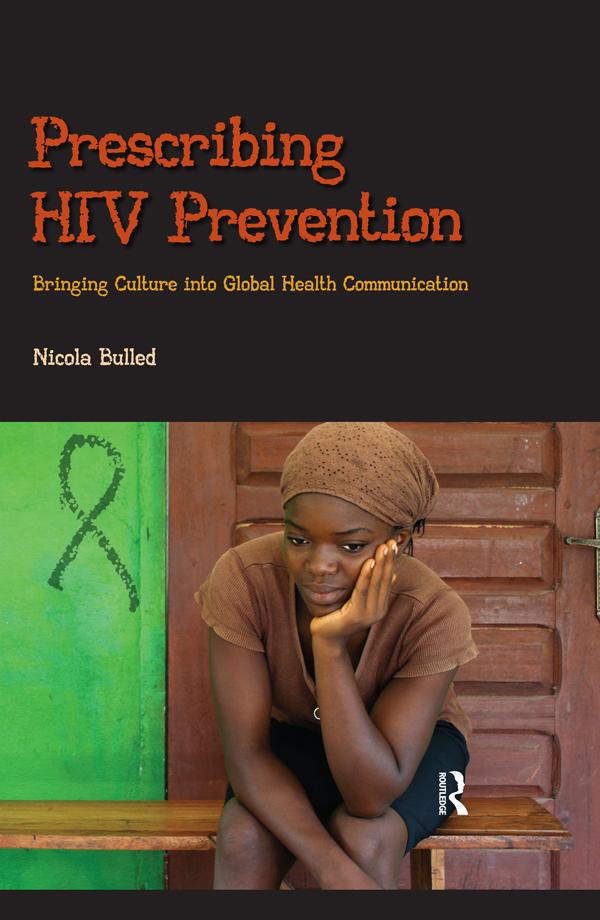
Critical health communication scholars point out that the acceptance of HIV risk prevention methods are bound inside inequitable structures of power and knowledge. Nicola Bulled’s in-depth ethnographic account of how these messages are selected, transmitted and reacted to by young adults in the AIDS-torn population of Lesotho in southern Africa provides a crucial example of the importance of a culture-centered approach to health communication. She shows the clash between traditional western perceptions of how increased knowledge will increase compliance with western ideas of prevention, and mixed messages offered by local religious, educational, and media institutions. Bulled also demonstrates how structural and geographical forces prevent the delivery and acceptance of health messages, and how local communities shape their own knowledge of health, disease and illness. This volume will be of interest to medical anthropologists and sociologists, to those in health communication, and to researchers working on issues related to HIV.
Pay easily by card, Klarna, Apple Pay or Google Pay. Not happy? You always have a 14-day money-back guarantee. Read more in our terms. If you have any questions, email us at hello@memmo.org.
Memmo makes studying easier – wherever you are in the world. We bring your course books and smart study tools together in one place: summaries, quizzes, podcasts and flashcards. Plus Ted, your study buddy who answers anything you wonder. Over 50,000 students already study here – built to help you learn faster and stress less.
You might also like
Buy the book0