
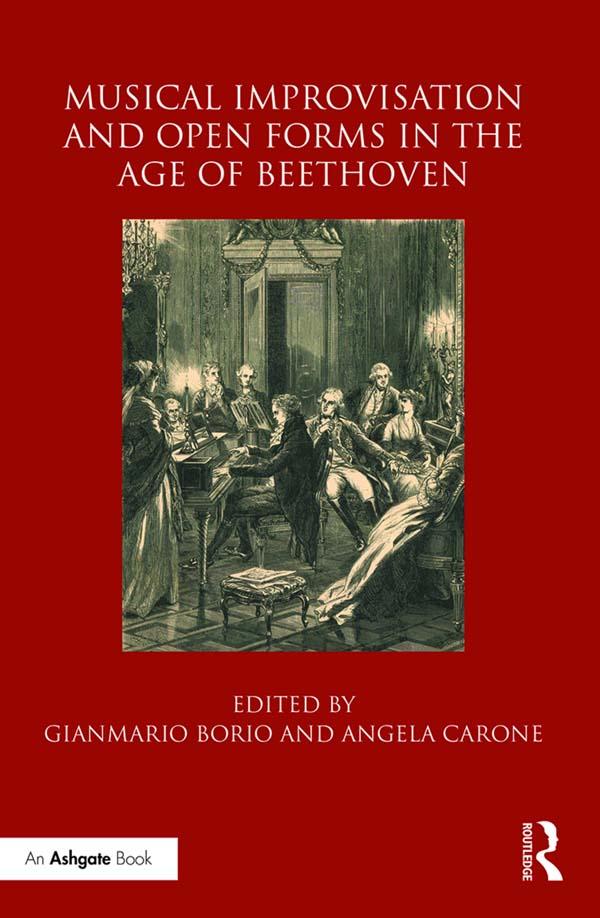
Improvisation was a crucial aspect of musical life in Europe from the late eighteenth century through to the middle of the nineteenth, representing a central moment in both public occasions and the private lives of many artists. Composers dedicated themselves to this practice at length while formulating the musical ideas later found at the core of their published works; improvisation was thus closely linked to composition itself. The full extent of this relation can be inferred from both private documents and reviews of concerts featuring improvisations, while these texts also inform us that composers quite often performed in public as both improvisers and interpreters of pieces written by themselves or others. Improvisations presented in concert were distinguished by a remarkable degree of structural organisation and complexity, demonstrating performers’ consolidated abilities in composition as well as their familiarity with the rules for improvising outlined by theoreticians.
Pay easily by card, Klarna, Apple Pay or Google Pay. Not happy? You always have a 14-day money-back guarantee. Read more in our terms. If you have any questions, email us at hello@memmo.org.
Memmo makes studying easier – wherever you are in the world. We bring your course books and smart study tools together in one place: summaries, quizzes, podcasts and flashcards. Plus Ted, your study buddy who answers anything you wonder. Over 50,000 students already study here – built to help you learn faster and stress less.