
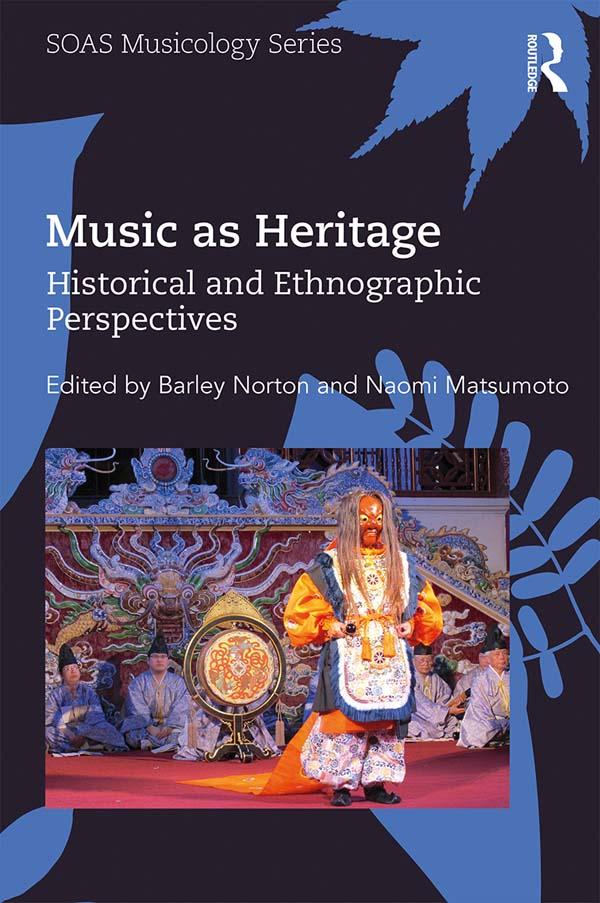
As economic, technological and cultural change gathers pace across the world, issues of music heritage and sustainability have become ever more pressing. Discourse on intangible cultural heritage has developed in complex ways in recent years, and musical practices have been transformed by safeguarding agendas. Music as Heritage takes stock of these transformations, bringing new ethnographic and historical perspectives to bear on our encounters with music heritage. The volume evaluates the cultural politics, ethics and audiovisual representation of music heritage; the methods and consequences of music transmission across national borders; and the perennial issues of revival, change and innovation.
UNESCO’s 2003 Convention for the Safeguarding of the Intangible Cultural Heritage provides an essential reference point for studies of music heritage. However, this volume also pays attention to important spheres of musical activity that lie outside of UNESCO’s reach and the reasons why some repertories of music are chosen for safeguarding while others are not. Some practices of art music in Europe explored in this book, for example, have received little attention despite being susceptible to endangerment. Developing a comparative framework that cuts across genre distinctions and disciplinary boundaries, Music as Heritage explores how music cultures are being affected by heritage discourse and the impact of international and national policies on grass-roots music practices.
Pay easily by card, Klarna, Apple Pay or Google Pay. Not happy? You always have a 14-day money-back guarantee. Read more in our terms. If you have any questions, email us at hello@memmo.org.
Memmo makes studying easier – wherever you are in the world. We bring your course books and smart study tools together in one place: summaries, quizzes, podcasts and flashcards. Plus Ted, your study buddy who answers anything you wonder. Over 50,000 students already study here – built to help you learn faster and stress less.