
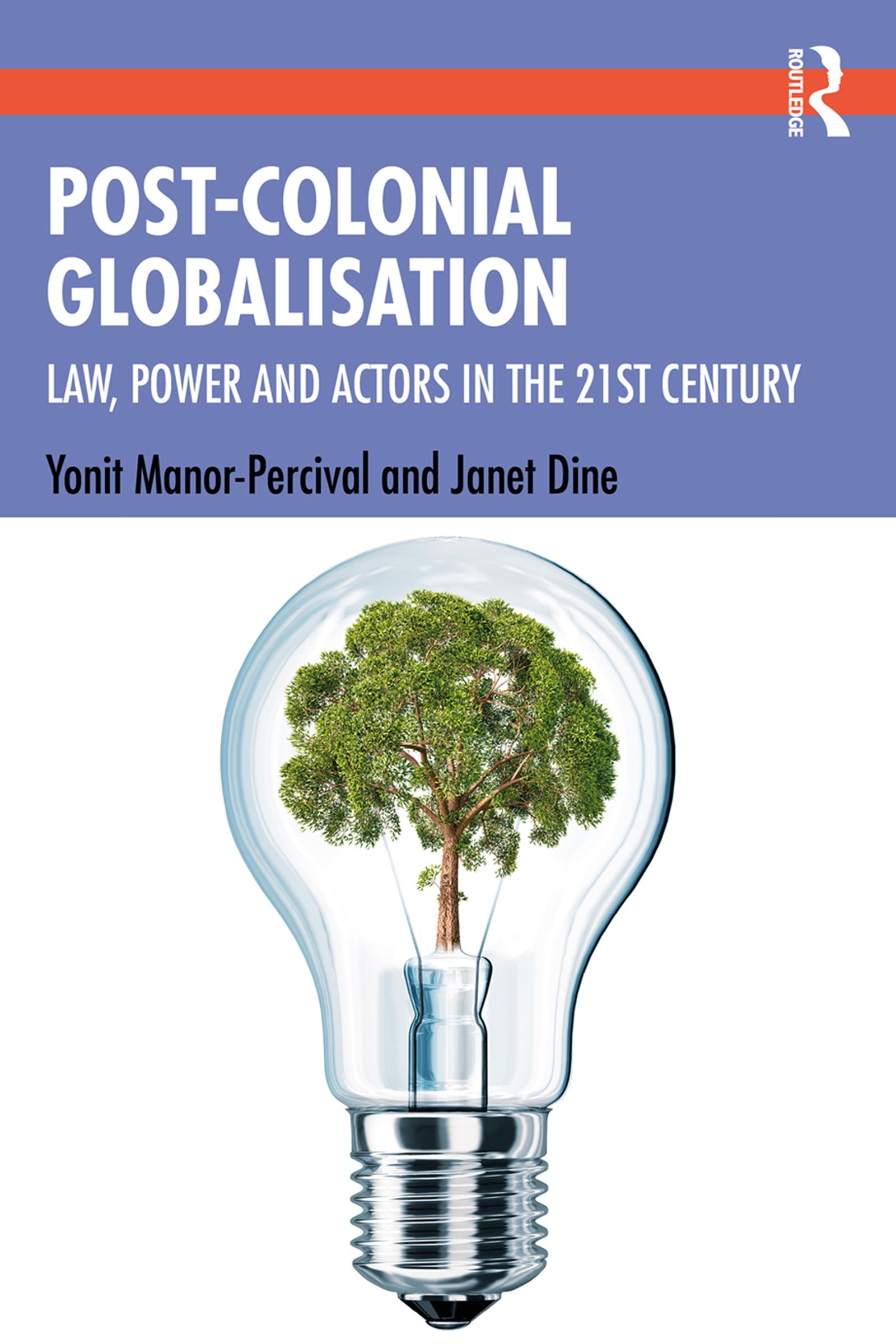
With the globalist project immersed in conflicts and adversity, Post-Colonial Globalisation offers an insight into the actors who animate it and the power dynamics which run through it. Using the law as the prism through which these are examined, and fusing historical with contemporary perspectives, the book contributes to understanding the crisis in which we find ourselves as a moment of both existential danger and an opportunity.
This book is in two parts. The first part charters capitalism’s historical progression to globalism through the lens of the act of taking. Taking has risen to institutional prominence as a core concept in the legal lexicon of foreign investment protection to denote deprivation of private property. Post-Colonial Globalisation advances a broader notion of taking as a tool of social criticism. From enclosures, to colonial settlement to an empire of unequal exchanges, to contemporary land grabs, private property, now so vigorously protected against taking, was itself born out of taking. The second part focuses on the ecological dimension of neoliberal globalisation and its hallmarks of unlimited growth and excessive extraction. It has negatively impacted the climate, the earth and its human and non-human inhabitants to the point of putting their continued existence at risk. Central to this is the deification of property. Our understanding of proprietary relations and the rights they confer must be revisited if our interface with the planet is to be reconfigured. The emerging doctrine of rights of nature offers one route which may lead us in this direction.
The two parts complement each other. One looks at taking by members of the human species from each other. The other looks at taking by the human species from nature. This book is aimed at anyone who wishes to gain insight into the current crisis, including students, academics, NGOs and policymakers.
Pay easily by card, Klarna, Apple Pay or Google Pay. Not happy? You always have a 14-day money-back guarantee. Read more in our terms. If you have any questions, email us at hello@memmo.org.
Memmo makes studying easier – wherever you are in the world. We bring your course books and smart study tools together in one place: summaries, quizzes, podcasts and flashcards. Plus Ted, your study buddy who answers anything you wonder. Over 50,000 students already study here – built to help you learn faster and stress less.