
Understanding Interaction explores the interaction between people and technology in the broader context of the relations between the human-made and the natural environments. It is not just about digital technologies – our computers, smartphones, the Internet – but all our technologies, such as mechanical, electrical, and electronic. Our ancestors started creating mechanical tools and shaping their environments millions of years ago, developing cultures and languages, which in turn influenced our evolution.
Volume 1 looks into this deep history, starting from the tool-creating period (the longest and most influential on our physical and mental capacities) to the settlement period (agriculture, domestication, villages and cities, written language), the industrial period (science, engineering, reformation, and renaissance), and finally the communication period (mass media, digital technologies, and global networks).
Volume 2 looks into humans in interaction – our physiology, anatomy, neurology, psychology, how we experience and influence the world, and how we (think we) think. From this transdisciplinary understanding, design approaches and frameworks are presented to potentially guide future developments and innovations.
The aim of the book is to be a guide and inspiration for designers, artists, engineers, psychologists, media producers, social scientists, etc., and, as such, be useful for both novices and more experienced practitioners.
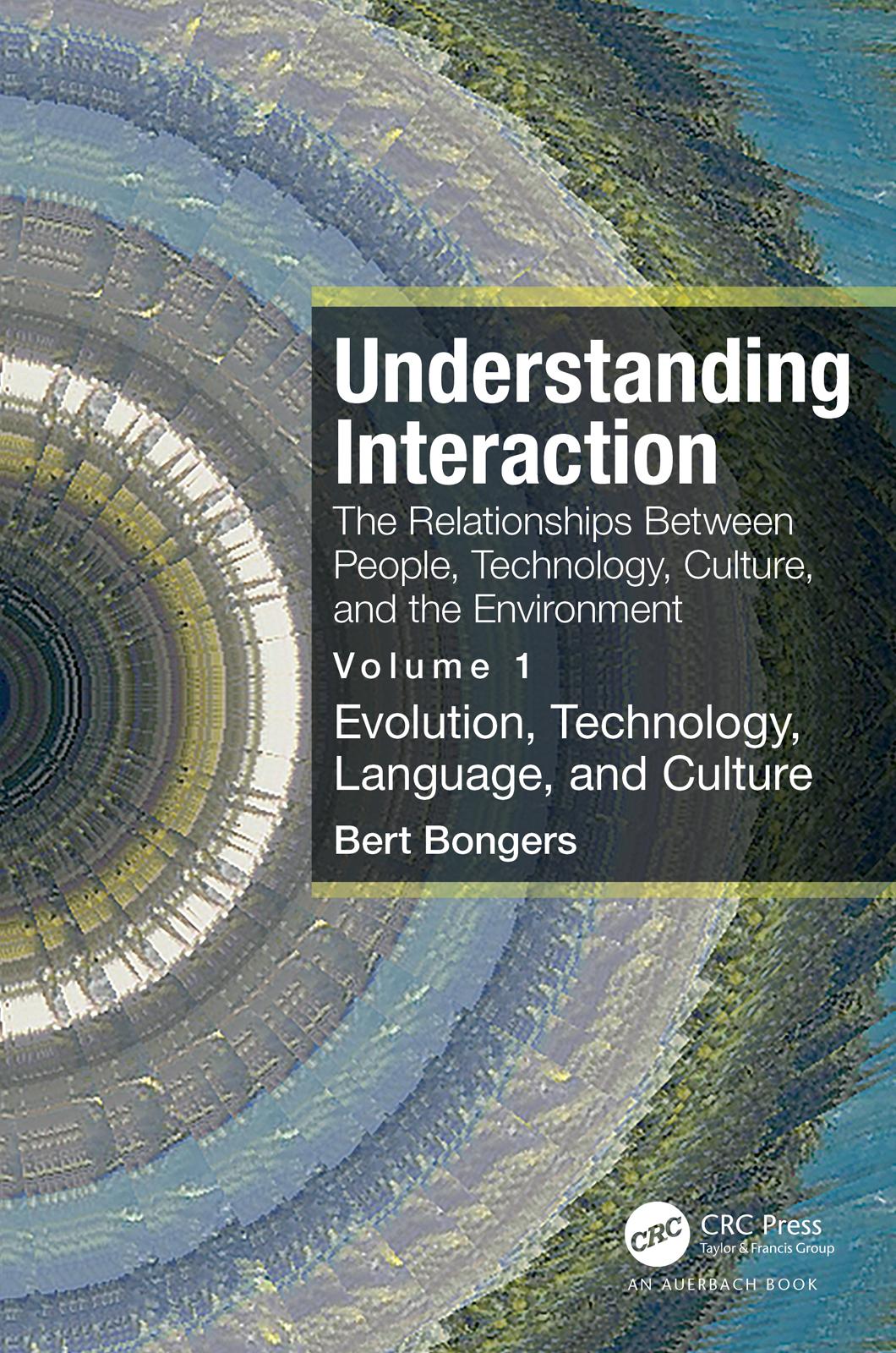
Image Credit: Still of interactive video pattern created with a range of motion sensors in the Facets kaleidoscopic algorithm (based underwater footage of seaweed movement) by the author on 4 February 2010, for a lecture at Hyperbody at the Faculty of Architecture, TU Delft, NL.
Pay easily by card, Klarna, Apple Pay or Google Pay. Not happy? You always have a 14-day money-back guarantee. Read more in our terms. If you have any questions, email us at hello@memmo.org.
Memmo makes studying easier – wherever you are in the world. We bring your course books and smart study tools together in one place: summaries, quizzes, podcasts and flashcards. Plus Ted, your study buddy who answers anything you wonder. Over 50,000 students already study here – built to help you learn faster and stress less.