
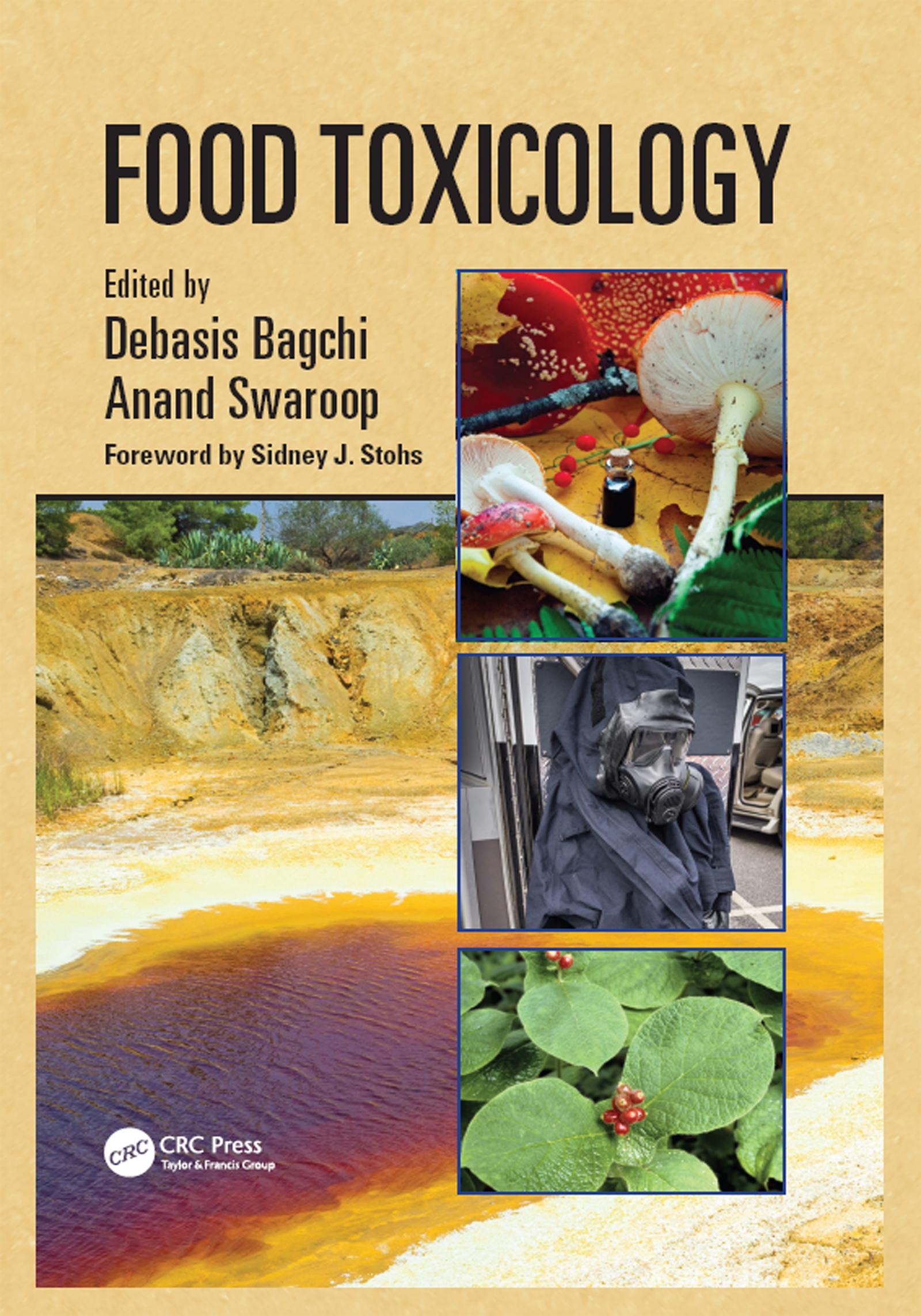
Food toxicology studies how natural or synthetic poisons and toxicants in diverse food products cause harmful, detrimental, or adverse side effects in living organisms. Food toxicology is an important consideration as food supply chain is becoming more multinational in origin, and any contamination or toxic manifestation may cause serious, wide-spread adverse health effects. Food Toxicology covers various aspects of food safety and toxicology, including the study of the nature, properties, effects, and detection of toxic substances in food and their disease manifestations in humans. It will also include other aspects of consumer product safety.
The first two chapters discuss the measurement of toxicants and toxicity and the importance of dose-response in food toxicology. Additional chapters discuss the aspects of food associated carcinogenesis and food-derived chemical carcinogenesis, food allergy, pathogens associated with fruits and vegetables, and the detrimental effects of radionuclides exposure. The chapters also cover the most important heavy metal contaminants, namely mercury, lead and vanadium, and Fluoride toxicity, which is extensively discussed in its own chapter.
Toxicologists, scientists, researchers in food toxicology, nutritionists, and public health care professionals will find valuable information in this book on all possible intricate areas of food toxicology.
Pay easily by card, Klarna, Apple Pay or Google Pay. Not happy? You always have a 14-day money-back guarantee. Read more in our terms. If you have any questions, email us at hello@memmo.org.
Memmo makes studying easier – wherever you are in the world. We bring your course books and smart study tools together in one place: summaries, quizzes, podcasts and flashcards. Plus Ted, your study buddy who answers anything you wonder. Over 50,000 students already study here – built to help you learn faster and stress less.