
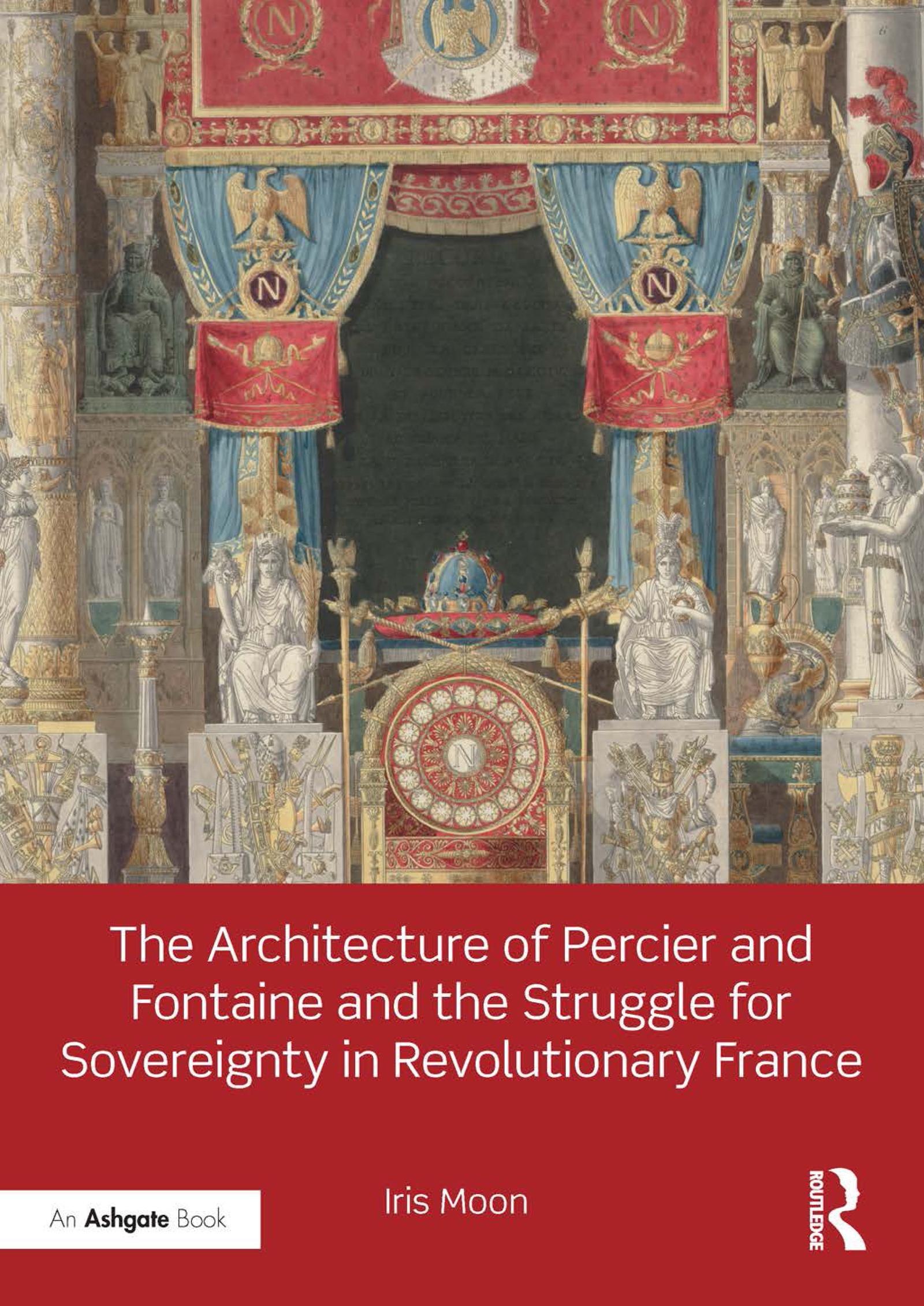
As the official architects of Napoleon, Charles Percier (1764–1838) and Pierre-François-Léonard Fontaine (1762–1853) designed interiors that responded to the radical ideologies and collective forms of destruction that took place during the French Revolution. The architects visualized new forms of imperial sovereignty by inverting the symbols of monarchy and revolution, constructing meeting rooms resembling military encampments and gilded thrones that replaced the Bourbon lily with Napoleonic bees. Yet in the wake of political struggle, each foundation stone that the architects laid for the new imperial regime was accompanied by an awareness of the contingent nature of sovereign power. Contributing fresh perspectives on the architecture, decorative arts, and visual culture of revolutionary France, this book explores how Percier and Fontaine’s desire to build structures of permanence and their inadvertent reliance upon temporary architectural forms shaped a new awareness of time, memory, and modern political identity in France.
Pay easily by card, Klarna, Apple Pay or Google Pay. Not happy? You always have a 14-day money-back guarantee. Read more in our terms. If you have any questions, email us at hello@memmo.org.
Memmo makes studying easier – wherever you are in the world. We bring your course books and smart study tools together in one place: summaries, quizzes, podcasts and flashcards. Plus Ted, your study buddy who answers anything you wonder. Over 75,000 students already study here – built to help you learn faster and stress less.