
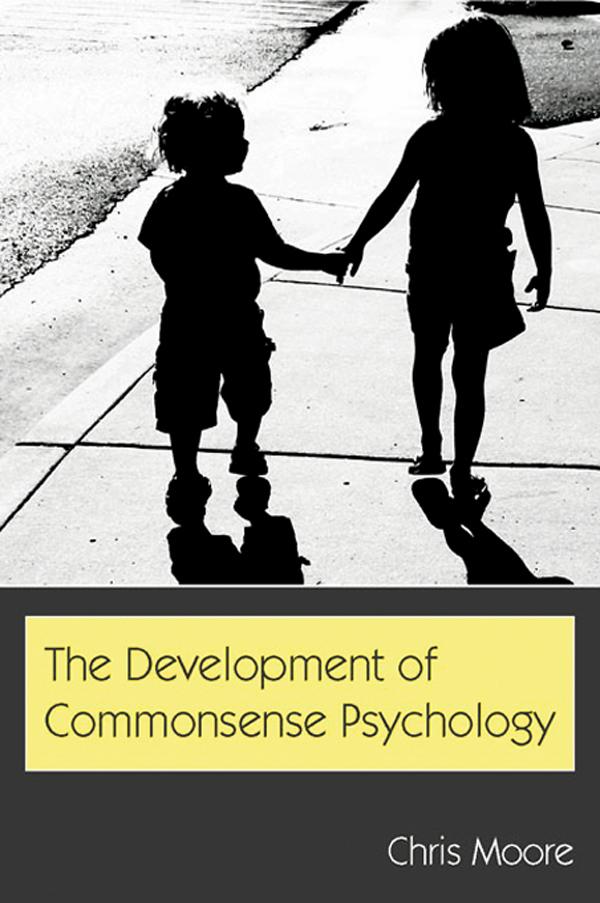
How do children develop an understanding of people as psychological entities - as feeling, thinking beings? How do they come to understand human behavior as driven by desires and informed by reason? These questions are at the heart of contemporary research on children’s "theories of mind." Although there has been an enormous amount of research on this topic, nobody - until now - has provided a coherent account that traces the development of theory of mind from birth to five years.
This book begins by analyzing the nature of commonsense psychology and exploring the developmental processes relevant to its development. It then describes the manner in which the child moves from being a newborn with perceptual sensitivities to people, to an infant who can share psychological experiences with others, to a young child who can recognize people, including both self and others, as individual psychological beings. Finally, the book shows how, throughout this developmental process, the child’s social interactive experiences are used by the child to generate ever more sophisticated forms of commonsense psychology.
The Development of Commonsense Psychology incorporates material from a wide range of research on early development, including infant social interaction, joint attention, self development, language development, theory of mind, and autobiographical memory.
Suitable as a text for senior undergraduate/honors courses or graduate level courses in early development, the primary audience for this book is developmental psychologists. However, it is also written in a way that will make it accessible and appealing to anyone with an interest in social cognitive development in early childhood, including parents, educators, and policymakers.
Pay easily by card, Klarna, Apple Pay or Google Pay. Not happy? You always have a 14-day money-back guarantee. Read more in our terms. If you have any questions, email us at hello@memmo.org.
Memmo makes studying easier – wherever you are in the world. We bring your course books and smart study tools together in one place: summaries, quizzes, podcasts and flashcards. Plus Ted, your study buddy who answers anything you wonder. Over 50,000 students already study here – built to help you learn faster and stress less.