
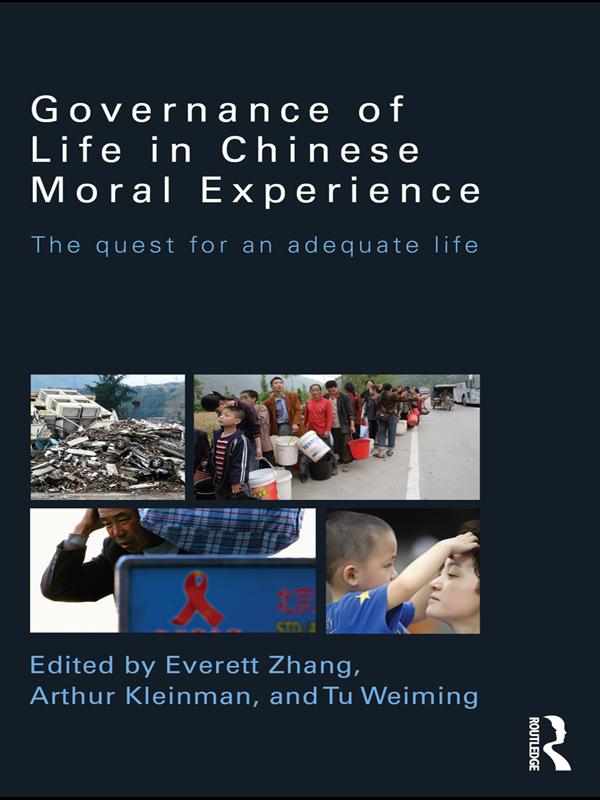
China has experienced a tremendous turn-around over the past three decades from the ethos of sacrificing life to the emergent appeal for valuing life. This book takes an interdisciplinary look at China during these decades of transformation through the defining theme of governance of life. With an emphasis on how to achieve an adequate life, the contributors integrate a whole range of life-related domains including: the death of Sun Zhigang, the peril caused by rising tobacco consumption, the emerging suicide intervention, the turning points in the fight against AIDS, the intensely evolving birth policy, the emerging biological citizenship, and so on. In doing so, they explore how biological life has been governed differently to enhance the wellbeing of the population instead of promoting ideological goals. This change, dubbed "the deepening in governmentality," is one of the most important driving forces for China’s rise, and will have huge bearings on how the Chinese will achieve an adequate life in the 21st century. This book presents works by a number of internationally known scholars and will be of interest to students and scholars of anthropology, sociology, political science, history, Chinese philosophy, law, and public health.
Pay easily by card, Klarna, Apple Pay or Google Pay. Not happy? You always have a 14-day money-back guarantee. Read more in our terms. If you have any questions, email us at hello@memmo.org.
Memmo makes studying easier – wherever you are in the world. We bring your course books and smart study tools together in one place: summaries, quizzes, podcasts and flashcards. Plus Ted, your study buddy who answers anything you wonder. Over 50,000 students already study here – built to help you learn faster and stress less.