
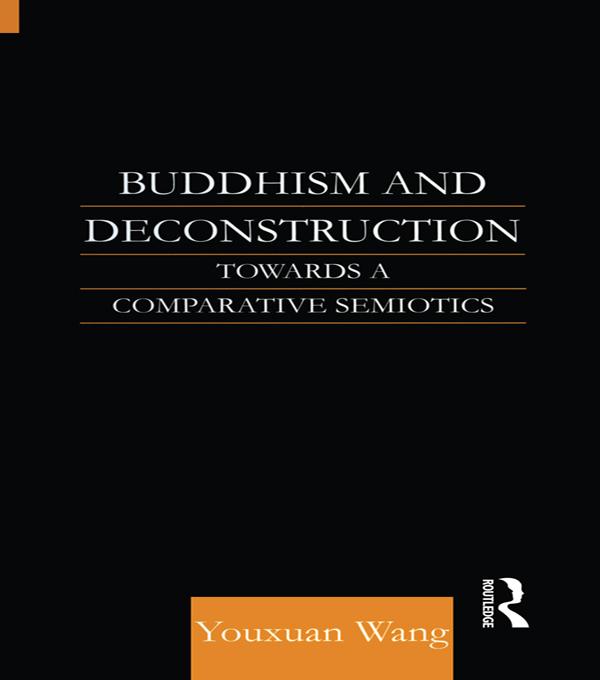
This is a semiotic study of a corpus of texts that Kumârajîva (344-413 CE), Paramârtha (499~569 CE) and Xuanzang (599~664 CE) transmitted from India to China, featuring a critical reading of the Dazhidu Lun (T1509, Mahâ-Prajñâpâramitâ-upadeúa-Úâstra), San Wuxing Lun (T1617, Try-asvabhâva-prakara.na), and Guangbai Lun (T1571, Catu.húataka-úâstra-kârika). Focusing its attention on the Mahâyâna Buddhist notion of samatâ, it identifies a Buddhist semiotics which anticipates Derrida's invocation of the notion of the Same in his deconstruction of binary oppositions.
Pay easily by card, Klarna, Apple Pay or Google Pay. Not happy? You always have a 14-day money-back guarantee. Read more in our terms. If you have any questions, email us at hello@memmo.org.
Memmo makes studying easier – wherever you are in the world. We bring your course books and smart study tools together in one place: summaries, quizzes, podcasts and flashcards. Plus Ted, your study buddy who answers anything you wonder. Over 50,000 students already study here – built to help you learn faster and stress less.
You might also like
Buy the book0