
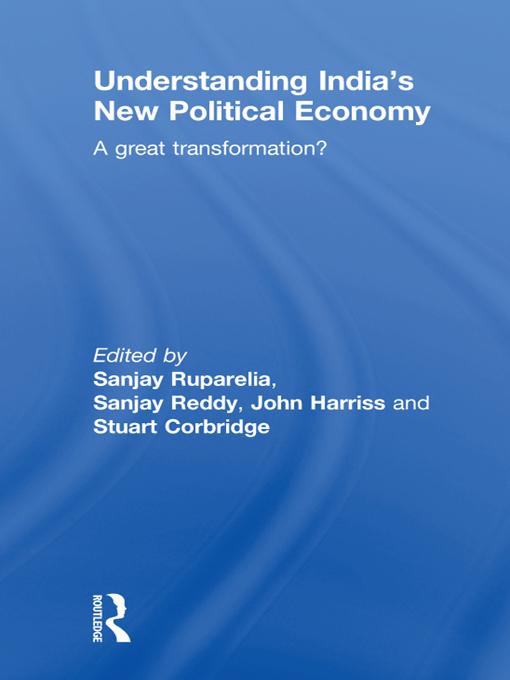
A number of large-scale transformations have shaped the economy, polity and society of India over the past quarter century. This book provides a detailed account of three that are of particular importance: the advent of liberal economic reform, the ascendance of Hindu cultural nationalism, and the empowerment of historically subordinate classes through popular democratic mobilizations.
Filling a gap in existing literature, the book goes beyond looking at the transformations in isolation, managing to:
• Explain the empirical linkages between these three phenomena
• Provide an account that integrates the insights of separate disciplinary perspectives
• Explain their distinct but possibly related causes and the likely consequences of these central transformations taken together
By seeking to explain the causal relationships between these central transformations through a coordinated conversation across different disciplines, the dynamics of India’s new political economy are captured. Chapters focus on the political, economic and social aspects of India in their current and historical context. The contributors use new empirical research to discuss how India’s multidimensional story of economic growth, social welfare and democratic deepening is likely to develop. This is an essential text for students and researchers of India's political economy and the growth economies of Asia.
Pay easily by card, Klarna, Apple Pay or Google Pay. Not happy? You always have a 14-day money-back guarantee. Read more in our terms. If you have any questions, email us at hello@memmo.org.
Memmo makes studying easier – wherever you are in the world. We bring your course books and smart study tools together in one place: summaries, quizzes, podcasts and flashcards. Plus Ted, your study buddy who answers anything you wonder. Over 50,000 students already study here – built to help you learn faster and stress less.