
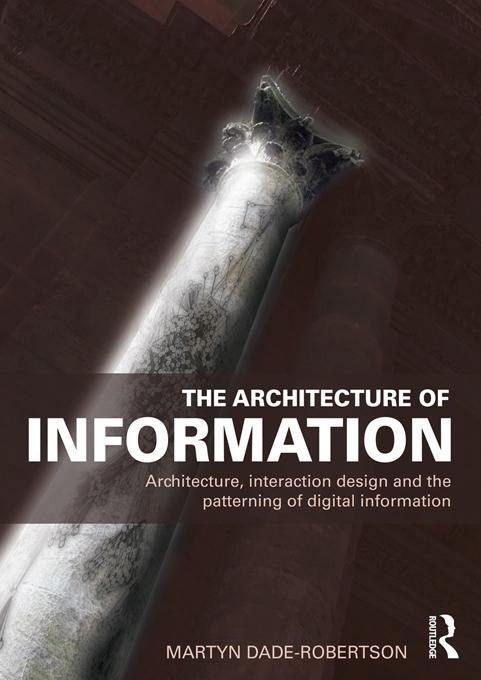
This book looks at relationships between the organization of physical objects in space and the organization of ideas. Historical, philosophical, psychological and architectural knowledge are united to develop an understanding of the relationship between information and its representation.
Despite its potential to break the mould, digital information has relied on metaphors from a pre-digital era. In particular, architectural ideas have pervaded discussions of digital information, from the urbanization of cyberspace in science fiction, through to the adoption of spatial visualizations in the design of graphical user interfaces.
This book tackles:
- the historical importance of physical places to the organization and expression of knowledge
- the limitations of using the physical organization of objects as the basis for systems of categorization and taxonomy
- the emergence of digital technologies and the twentieth century new conceptual understandings of knowledge and its organization
- the concept of disconnecting storage of information objects from their presentation and retrieval
- ideas surrounding ‘semantic space’
- the realities of the types of user interface which now dominate modern computing.
Pay easily by card, Klarna, Apple Pay or Google Pay. Not happy? You always have a 14-day money-back guarantee. Read more in our terms. If you have any questions, email us at hello@memmo.org.
Memmo makes studying easier – wherever you are in the world. We bring your course books and smart study tools together in one place: summaries, quizzes, podcasts and flashcards. Plus Ted, your study buddy who answers anything you wonder. Over 75,000 students already study here – built to help you learn faster and stress less.