
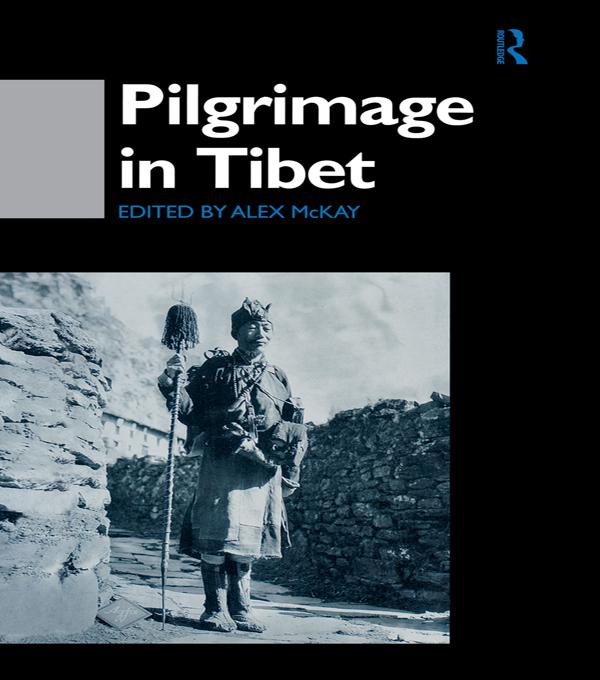
The Western image of Tibet as a sacred land is in many ways a mythical construction. But the Tibetans themselves have traditionally mapped out their land in terms of areas of sacred space, and pilgrimage, ensuring a high degree of mobility within all classes of Tibetan society. Pilgrims travelled to local, regional, and national centres throughout recorded Tibetan history. In recent years, pilgrimage has resumed in areas where it had been forbidden by the Chinese authorities, and has now become one of the most prominent religious expressions of Tibetan national identity.
In this major new work, leading scholars of Asian pilgrimage traditions discuss historical and contemporary aspects of pilgrimage within the Tibetan cultural world. Myths and legends, material conditions, textual sources, a modern pilgrim's impressions, political and economic influences, biographies and contemporary developments - all these and many other issues are examined here. The result is an informative and often entertaining work which contributes greatly to our knowledge of the history and culture of Tibet as well as the wider issues of religious power and practice.
Pay easily by card, Klarna, Apple Pay or Google Pay. Not happy? You always have a 14-day money-back guarantee. Read more in our terms. If you have any questions, email us at hello@memmo.org.
Memmo makes studying easier – wherever you are in the world. We bring your course books and smart study tools together in one place: summaries, quizzes, podcasts and flashcards. Plus Ted, your study buddy who answers anything you wonder. Over 50,000 students already study here – built to help you learn faster and stress less.