
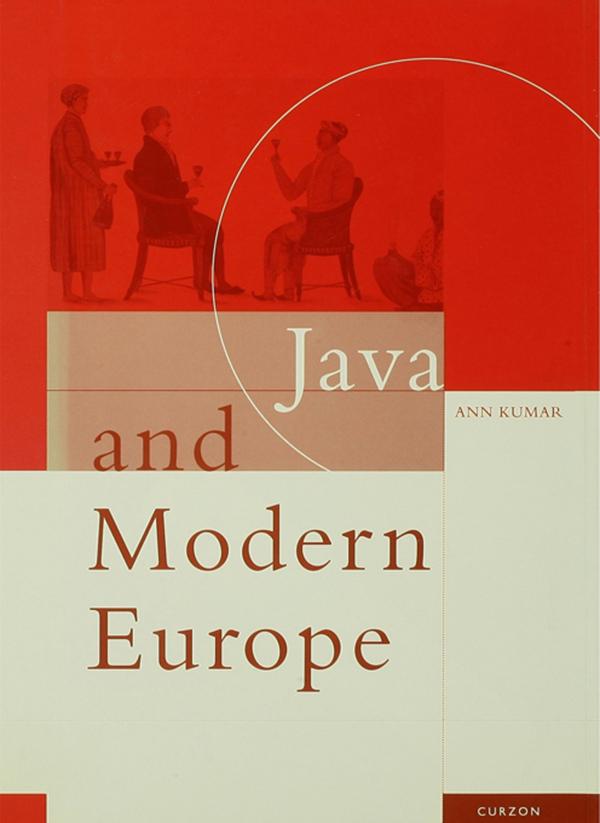
This book presents a case study of Europe's impact on an old and distinctive non-European civilisation. Part One deals with the elements in Europe's strength, technological, political and intellectual. It also uses Wallerstein's world-systems perspective to give an economic dimension to this picture of the new world of Europe, and then looks at the important question of the changing place of the Dutch in the new economic order from the seventeenth to the eighteenth century. This is followed by a brief account of the history of the Dutch East-India Company in Java, and its political effects.
Part Two deals with the nature of the Javanese ancien regime, both in court and in provincial circles, with a focus on society and civilisation, rather than those staples of Javanese historiography to date, political events and economic statistics.
Part Three deals with the overall pattern set by the VOC's changing economic imperatives and with the impact of the successive tides of capitalism on three regional societies of Java.
Part Four deals with intellectual shifts that took place in this period, and argues that these shifts were less conservative than the socio-economic ones described in Part Three and, though more fragile and vulnerable, were crucial for the future.
The conclusion attempts to show the significance of these developments for modern Indonesia and the way in which some of the dynamics begun in this period are being played out in the contemporary world.
Pay easily by card, Klarna, Apple Pay or Google Pay. Not happy? You always have a 14-day money-back guarantee. Read more in our terms. If you have any questions, email us at hello@memmo.org.
Memmo makes studying easier – wherever you are in the world. We bring your course books and smart study tools together in one place: summaries, quizzes, podcasts and flashcards. Plus Ted, your study buddy who answers anything you wonder. Over 50,000 students already study here – built to help you learn faster and stress less.
You might also like
Buy the book0