
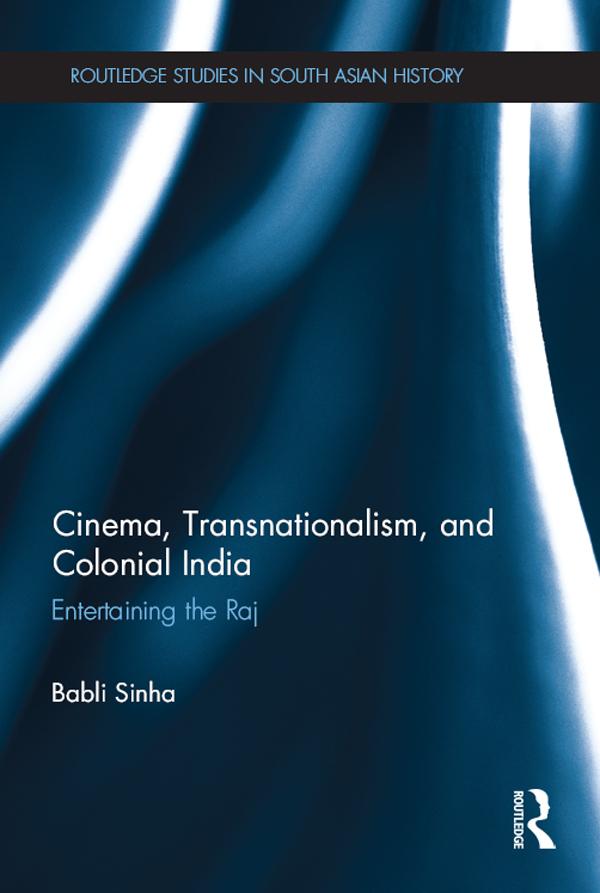
Through the lens of cinema, this book explores the ways in which the United States, Britain and India impacted each other politically, culturally and ideologically. It argues that American films of the 1920s posited alternative notions of whiteness and the West to that of Britain, which stood for democracy and social mobility even at a time of virulent racism.
The book examines the impact that the American cinema has on Indian filmmakers of the period, who were integrating its conventions with indigenous artistic traditions to articulate an Indian modernity. It considers the way American films in the 1920s presented an orientalist fantasy of Asia, which occluded the harsh realities of anti-Asian sentiment and legislation in the period as well as the exciting engagement of anti-imperial activists who sought to use the United States as the base of a transnational network. The book goes on to analyse the American ‘empire films’ of the 1930s, which adapted British narratives of empire to represent the United States as a new global paradigm.
Presenting close readings of films, literature and art from the era, the book engages cinema studies with theories of post-colonialism and transnationalism, and provides a novel approach to the study of Indian cinema.
Pay easily by card, Klarna, Apple Pay or Google Pay. Not happy? You always have a 14-day money-back guarantee. Read more in our terms. If you have any questions, email us at hello@memmo.org.
Memmo makes studying easier – wherever you are in the world. We bring your course books and smart study tools together in one place: summaries, quizzes, podcasts and flashcards. Plus Ted, your study buddy who answers anything you wonder. Over 50,000 students already study here – built to help you learn faster and stress less.