
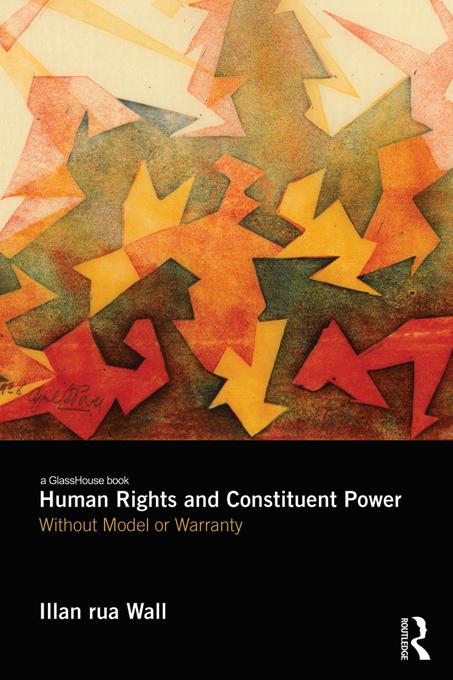
With the emergence of modern human rights in the Universal Declaration, what remained of a radical political potential of the discourse withdrew: statism and individualism became its authorised foundations and the possibilities of other human rights traditions were denied. The strife that once lay at the heart of human rights was forgotten in an increasing juridification. This book seeks to recover the radical political pole of human rights. It looks to the debates surrounding constituent power – the ‘power of the people’ – in order to understand different possibilities for the discourse. Using continental political philosophy and critical legal theory, Human Rights and Constituent Power presents a very different conception of human rights, more at home on the riotous streets than in courtrooms and parliaments.
Pay easily by card, Klarna, Apple Pay or Google Pay. Not happy? You always have a 14-day money-back guarantee. Read more in our terms. If you have any questions, email us at hello@memmo.org.
Memmo makes studying easier – wherever you are in the world. We bring your course books and smart study tools together in one place: summaries, quizzes, podcasts and flashcards. Plus Ted, your study buddy who answers anything you wonder. Over 50,000 students already study here – built to help you learn faster and stress less.