
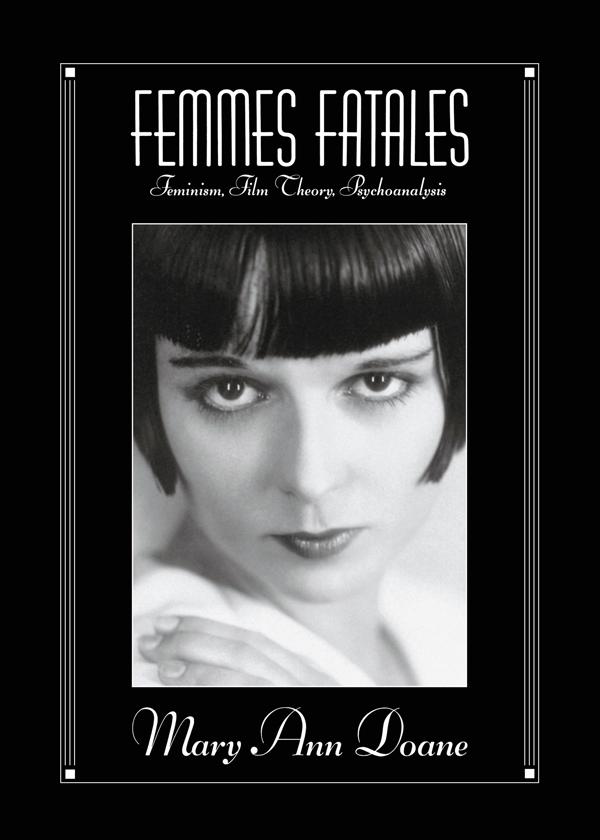
In this work of feminist film criticism, Mary Ann Doane examines questions of sexual difference and knowledge in cinematic, theoretical, and psychoanalytic discourses. "Femmes Fatales" examines Freud, the female spectator, the meaning of the close-up, and the nature of stardom. Doane's analyses of such figures as Pabst's Lulu and Rita Hayworth's Gilda trace the thematics and mechanics of maskes, masquerade, and veiling, with specific attention to the form and technology of the cinema. Working through and against the intellectual frameworks of post-structuralist and psychoanalytic theory, Doane interrogates cinematic and theoretical claims to truth about women which rely on judgements about vision and its stability or instability. Reflecting the shift in conceptual priorities within feminist film theory over the last decade, "Femmes Fatales" addresses debates over female spectatorhsip, essentialism and anti-essentialism, the tensions between psychoanalysis and history, and the relations between racial and sexual difference. Doane's nuanced and original readings of the "femme fatale" in cinema illustrate confrontations between feminism, film theory and psychoanalysis. This book should be of interest to students and lecturers in women's studies, communications studies and film theory.
Pay easily by card, Klarna, Apple Pay or Google Pay. Not happy? You always have a 14-day money-back guarantee. Read more in our terms. If you have any questions, email us at hello@memmo.org.
Memmo makes studying easier – wherever you are in the world. We bring your course books and smart study tools together in one place: summaries, quizzes, podcasts and flashcards. Plus Ted, your study buddy who answers anything you wonder. Over 50,000 students already study here – built to help you learn faster and stress less.
You might also like
Buy the book0