
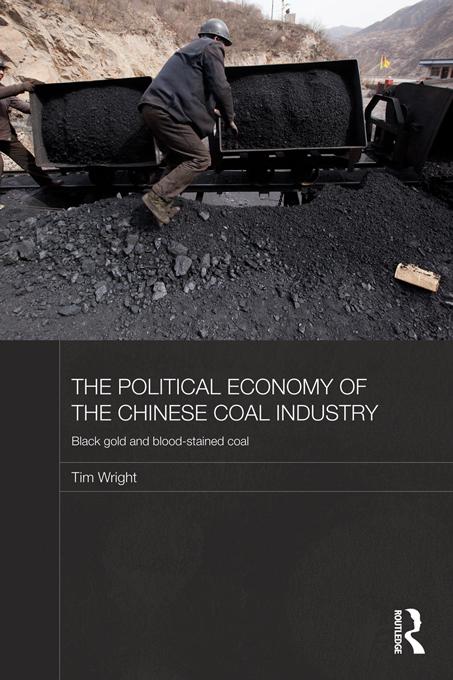
Coal mining is one of China’s largest industries, and provides an excellent case study through which to consider the broader issues of China’s transition from socialism to capitalism, focussing on the shift to a market economy, the rise of rural industry and the situation of China’s working class.
Coal was one of the pillars of the planned economy but, the author argues, its shift to market-based operations has been protracted and difficult, particularly in moving from the artificially low prices of the planned economy to market prescribed prices - a change that had a major impact on the industry’s financial performance. The book goes on to considers the growth of small rural coal mines as part of the Township and Village Enterprises (TVEs) programme; these small mines have brought prosperity to areas where small manufacturing enterprises are not competitive, but at the same time have been the cause of many social and environmental problems. It also examines the situation of coal miners - arguably one the most vulnerable segments of the Chinese working class - under socialism and under capitalism, paying particular attention to the issue of work safety and coal mine disasters. The book provides a comprehensive and coherent treatment of these issues from the establishment of the People’s Republic up to 2010.
Pay easily by card, Klarna, Apple Pay or Google Pay. Not happy? You always have a 14-day money-back guarantee. Read more in our terms. If you have any questions, email us at hello@memmo.org.
Memmo makes studying easier – wherever you are in the world. We bring your course books and smart study tools together in one place: summaries, quizzes, podcasts and flashcards. Plus Ted, your study buddy who answers anything you wonder. Over 50,000 students already study here – built to help you learn faster and stress less.