
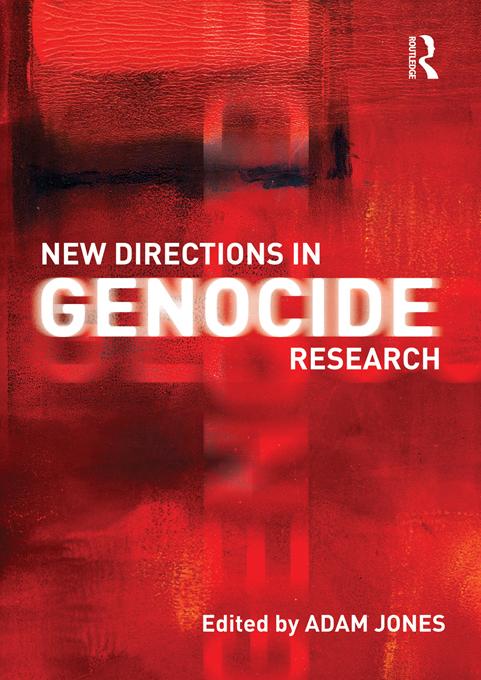
Genocide studies is a relatively new field of comparative inquiry, but recent years have seen an increasing range of themes and subject-matter being addressed that reflect a variety of features of the field and transformations within it. This edited book brings together established scholars with rising stars and seeks to capture the range of new approaches, theories, and case studies in the field.
The book is divided into three broad sections:
- Section I focuses on broad theories of comparative genocide, covering a number of different perspectives.
- Section II critically reconsiders core themes of genocide studies and unfolds a range of challenging new directions, including cultural genocide, gender and genocide (as it pertains to both women and men), structural violence, and the novel application of remote-sensing technologies to the detection and study of genocide. Section III is case-study focused, seeking to place both canonical and little-known cases of genocide in broader comparative perspective. Cases analyzed include genocide in North America, the Nazi Holocaust, the Armenian genocide, and the Sri Lankan genocide.
The combination of cutting-edge scholarship and innovative approaches to familiar subjects makes this essential reading for all students and scholars in the field of genocide studies.
Pay easily by card, Klarna, Apple Pay or Google Pay. Not happy? You always have a 14-day money-back guarantee. Read more in our terms. If you have any questions, email us at hello@memmo.org.
Memmo makes studying easier – wherever you are in the world. We bring your course books and smart study tools together in one place: summaries, quizzes, podcasts and flashcards. Plus Ted, your study buddy who answers anything you wonder. Over 50,000 students already study here – built to help you learn faster and stress less.