
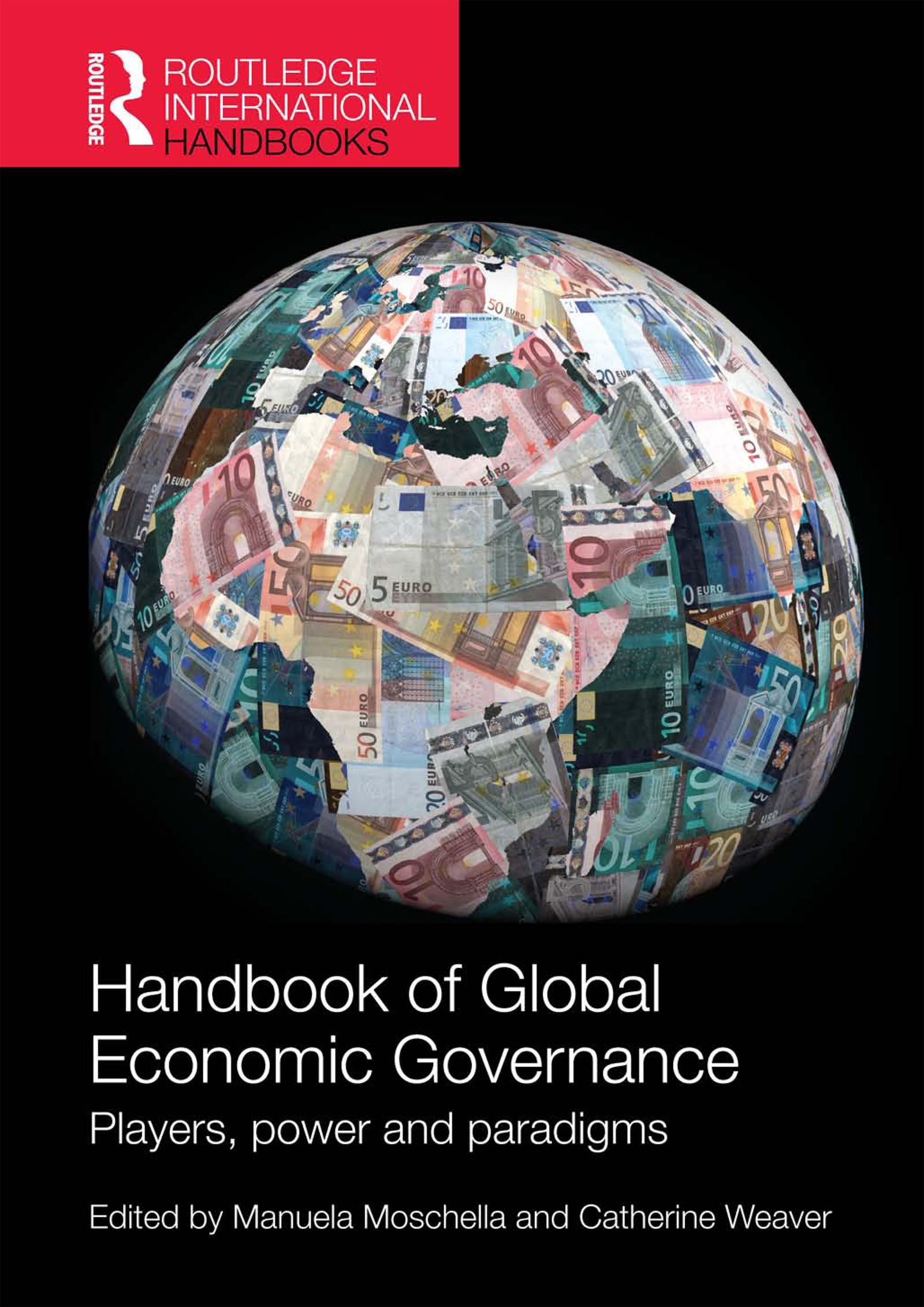
Since the summer of 2007, the world scenario has been dominated by the US sub-prime mortgage crisis and its repercussions on global financial markets and economic growth. As banks around the world wrote down their losses and governments intervened to rescue domestic financial institutions, financial distress severely hit the real economy leading to what has been widely defined as the worst recession since the 1930s. Under these conditions, along with the immediate concern for stemming the effects of the crisis, policy-makers around the world have been debating the long-term measures that have to be adopted in order to reduce the likelihood of future crises and to ensure stable economic growth. Although this debate has not yet produced significant transformations, it indicates a renewed concern about the institutional architecture that is meant to govern the global economic and financial system.
This book tackles the issue of what the governance of the global economic and financial system looks like and what the prospects for its reform are. Specifically, the book will address the following three main themes:
Governance: What is governance in the international economic system? What forms
does it take? How did it come about? How can we study it?;
Functions of governance: What are the functions of global economic governance? Who
performs them? What are the rules and mechanisms that make global governance
possible?
Problems and prospects of governance: What are the problems in global economic governance? Is there a trade-off between legitimacy and efficiency? What are the prospects for reform of global economic governance in the aftermath of the global financial crisis?
This book will:
_ Provide a thorough analysis of the issues at stake in designing international rules and institutions able to govern the global economy;
_ Illustrate and analyze virtually all the main institutions, rules, and arrangements that make up global economic governance, inscribing them within the function these institutions, rules, and arrangements are meant to perform;
_ Discuss the problems that affect today’s global economic governance and assess alternative proposals to reform the international financial architecture.
Pay easily by card, Klarna, Apple Pay or Google Pay. Not happy? You always have a 14-day money-back guarantee. Read more in our terms. If you have any questions, email us at hello@memmo.org.
Memmo makes studying easier – wherever you are in the world. We bring your course books and smart study tools together in one place: summaries, quizzes, podcasts and flashcards. Plus Ted, your study buddy who answers anything you wonder. Over 50,000 students already study here – built to help you learn faster and stress less.