
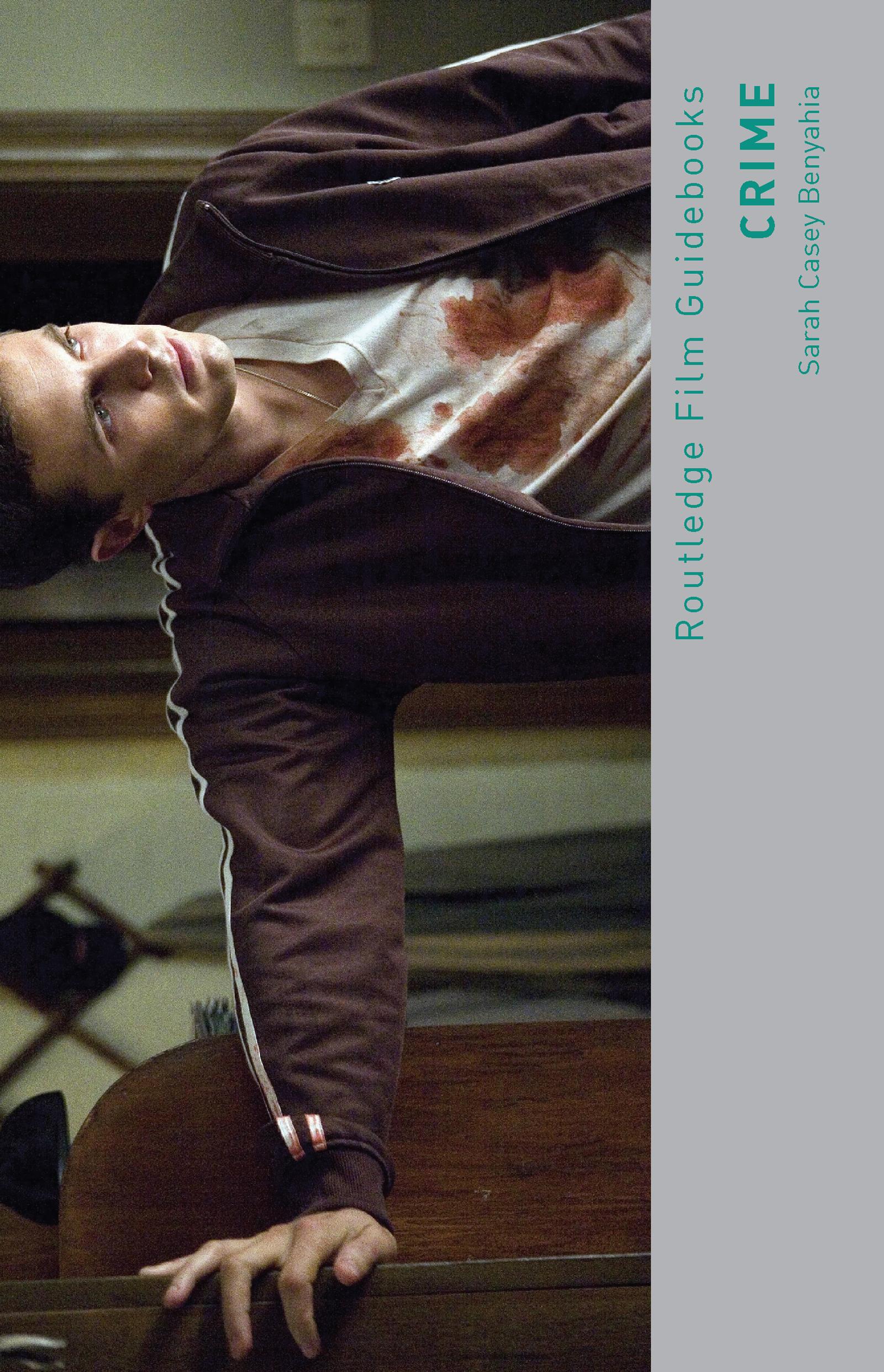
Crime films have, since the earliest days of cinema, been popular with audiences, industry and critics alike and encompassed a diverse range of subjects, styles and themes. The genre provides a range of pleasures for the spectator, from taking on the role of the detective in the pursuit of clues in the ‘whodunit’, to the more illicit thrills of identification with an anti hero. In the many incarnations of the crime film such as the gangster, film noir, political and detective thrillers, the genre explores the anxieties of different historical moments.
Sarah Casey Benyahia provides an overview of the development of the crime film and examines the key theories and ideas involved in the study of the genre. These include; the investigative structure and narration of the crime film, the aesthetics of violence and issues of representation and ideology. These areas are explored through contemporary and classic, Hollywood and European cinema with case studies on the history of the genre, the role of the detective, the 'family crime' film and the conspiracy thriller.
Crime provides a broad framework to the study of the genre through the introduction of narrative, genre and audience theories as well as detailed analysis of specific films.
Films discussed include: Scarface (1932) Mildred Pierce (1945) Dirty Harry (1971) The Parallax View (1974) Reservoir Dogs (1992) Mystic River (2002) Hidden (2005) Gone Baby Gone (2007) Zodiac (2007) The Millennium Trilogy (2009) The Secret in Their Eyes (2010)
Pay easily by card, Klarna, Apple Pay or Google Pay. Not happy? You always have a 14-day money-back guarantee. Read more in our terms. If you have any questions, email us at hello@memmo.org.
Memmo makes studying easier – wherever you are in the world. We bring your course books and smart study tools together in one place: summaries, quizzes, podcasts and flashcards. Plus Ted, your study buddy who answers anything you wonder. Over 50,000 students already study here – built to help you learn faster and stress less.