
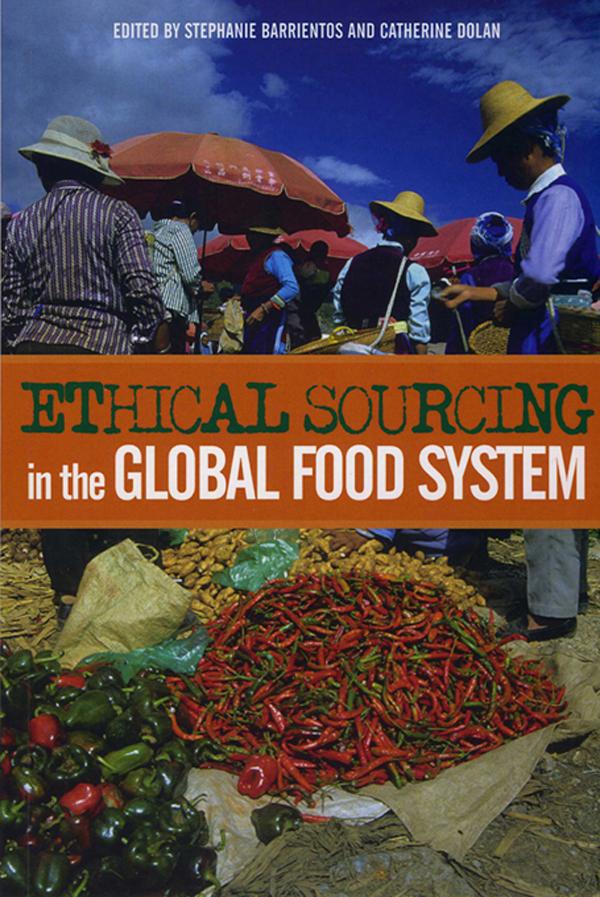
Ethical sourcing, both through fair trade and ethical trade, is increasingly entering the mainstream of food retailing. Large supermarkets have come under pressure to improve the returns to small producers and conditions of employment within their supply chains. But how effective is ethical sourcing? Can it genuinely address the problems facing workers and producers in the global food system? Is it a new form of northern protectionism or can southern initiatives be developed to create a more sustainable approach to ethical sourcing? How can the rights and participation of workers and small producers be enhanced, given the power and dominance of large supermarkets within the global food chain? What role can civil society and multistakeholder initiatives play in ensuring the effectiveness of ethical sourcing?
This book brings together a range of academics and practitioners working on issues of ethical sourcing in the global food system. It critically explores the opportunities and challenges in the ethical sourcing of food by combining analysis and case studies that examine a range of approaches. It explores whether ethical sourcing is a cosmetic northern initiative, or can genuinely help to improve the conditions of small producers and workers in the current global food system.
Pay easily by card, Klarna, Apple Pay or Google Pay. Not happy? You always have a 14-day money-back guarantee. Read more in our terms. If you have any questions, email us at hello@memmo.org.
Memmo makes studying easier – wherever you are in the world. We bring your course books and smart study tools together in one place: summaries, quizzes, podcasts and flashcards. Plus Ted, your study buddy who answers anything you wonder. Over 50,000 students already study here – built to help you learn faster and stress less.