
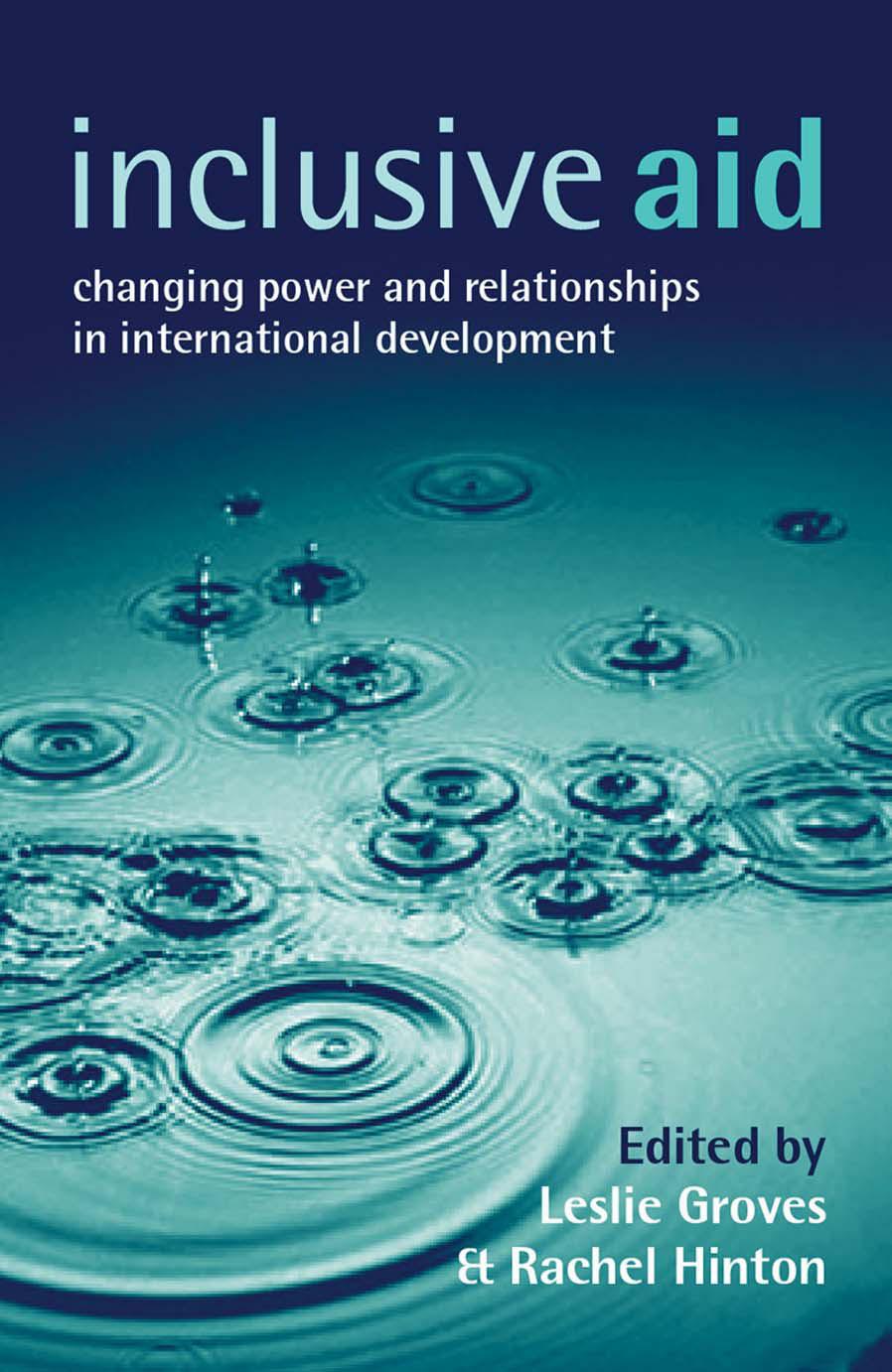
Rapid and profound changes are taking place in international development. The past two decades have promoted the ideals of participation and partnership, yet key decisions affecting people's lives continue to be made without sufficient attention to the socio-political realities of the countries in which they live. Embedded working traditions, vested interests and institutional inertia mean that old habits and cultures persist among the development community. Planning continues as though it were free of unpredictable interactions among stakeholders. This book is about the need to recognise the complex, non-linear nature of development assistance and how bureaucratic procedures and power relations hinder poverty reduction in the new aid environment.
The book begins with a conceptual and historical analysis of aid, exposing the challenges and opportunities facing aid professionals today. It argues for greater attention to accountability and the adoption of rights based approaches. In section two, practitioners, policy makers and researchers discuss the realities of power and relationships from their experiences across sixteen countries. Their accounts, from government, donors and civil society, expose the highly politicised and dynamic aid environment in which they work.
Section three explores ways forward for aid agencies, challenging existing political, institutional and personal ways of working. Authors describe procedural innovations as strategic ways to leverage change. Breaking the barriers to ensure more inclusive aid will require visionary leadership and a courageous commitment to change. Crucially, the authors show how translating rhetoric into practice relies on changing the attitudes and behaviours of individual actors. Only then is the ambitious agenda of the Millennium Development Goals likely to be met.
The result is an indispensable contribution to the understanding of how development assistance and poverty reduction can be most effectively delivered by the professionals and agencies involved.
Pay easily by card, Klarna, Apple Pay or Google Pay. Not happy? You always have a 14-day money-back guarantee. Read more in our terms. If you have any questions, email us at hello@memmo.org.
Memmo makes studying easier – wherever you are in the world. We bring your course books and smart study tools together in one place: summaries, quizzes, podcasts and flashcards. Plus Ted, your study buddy who answers anything you wonder. Over 50,000 students already study here – built to help you learn faster and stress less.