
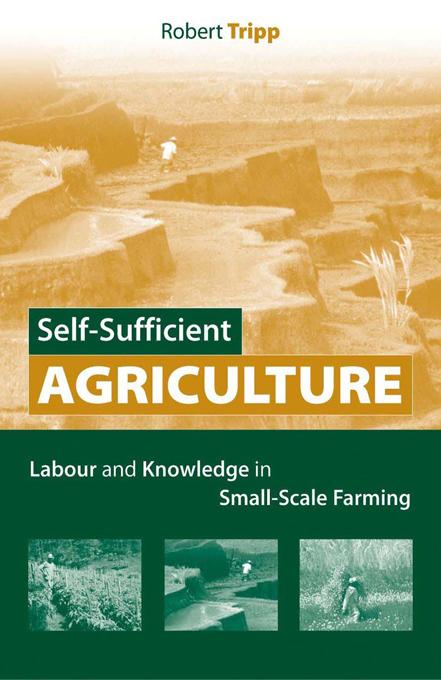
Low external-input technology (or LEIT) is an increasingly prominent subject in discussions of sustainable agriculture. There are growing calls for self-sufficient agriculture in an era experiencing diminishing returns from reliance upon expensive synthetic pesticides and fertilizers. There are many reasons to support strategies for low external input farming, including a concern for environmental sustainability, increased attention to resource-poor farmers and marginal environments, and the conviction that a better use of local resources in small-scale agriculture can improve farm productivity and innovation. But despite the increased attention to self-sufficient agriculture, there is little evidence available on the performance and impact of LEIT.
This book examines the contributions and limitations of low external input technology for addressing the needs of resource-poor farmers. For the first time a balanced analysis of LEIT is provided, offering in-depth case studies, an analysis of the debates, an extensive review of the literature and practical suggestions about the management and integration of low external input agriculture in rural development programmes.
Pay easily by card, Klarna, Apple Pay or Google Pay. Not happy? You always have a 14-day money-back guarantee. Read more in our terms. If you have any questions, email us at hello@memmo.org.
Memmo makes studying easier – wherever you are in the world. We bring your course books and smart study tools together in one place: summaries, quizzes, podcasts and flashcards. Plus Ted, your study buddy who answers anything you wonder. Over 50,000 students already study here – built to help you learn faster and stress less.