
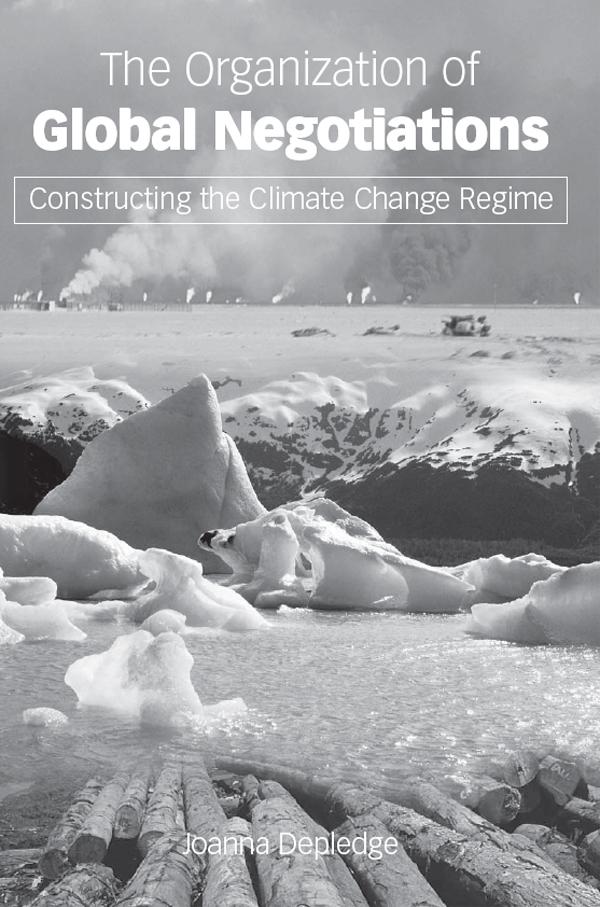
The basic assumption of this book is that the organization of a negotiation process matters.
The global negotiations on climate change involve over 180 countries and innumerable observers and other participants, addressing enormously complex and economically vital issues with conflicting agendas. For the UN to create an effective and well-supported international regime has required enormous and very skilful organization: factors such as the role of the Chair, the choice of negotiating arenas, the rules for the conduct of business and the approach of negotiating texts are usually taken for granted, and rarely attract attention until something goes wrong.
This book explores how the negotiations were organized to produce the Kyoto Protocol to the Climate Change Convention and the subsequent Bonn Agreements and Marrakesh Accords. The author draws out the lessons and implications for other intricate and far-reaching negotiations, not all of which have succeeded so far, such as the WTO trade negotiations at Seattle and Cancun.
This is essential reading for all participants in and organizers of international negotiations; and for researchers and students of international relations, climate change and environmental studies.
Pay easily by card, Klarna, Apple Pay or Google Pay. Not happy? You always have a 14-day money-back guarantee. Read more in our terms. If you have any questions, email us at hello@memmo.org.
Memmo makes studying easier – wherever you are in the world. We bring your course books and smart study tools together in one place: summaries, quizzes, podcasts and flashcards. Plus Ted, your study buddy who answers anything you wonder. Over 50,000 students already study here – built to help you learn faster and stress less.