
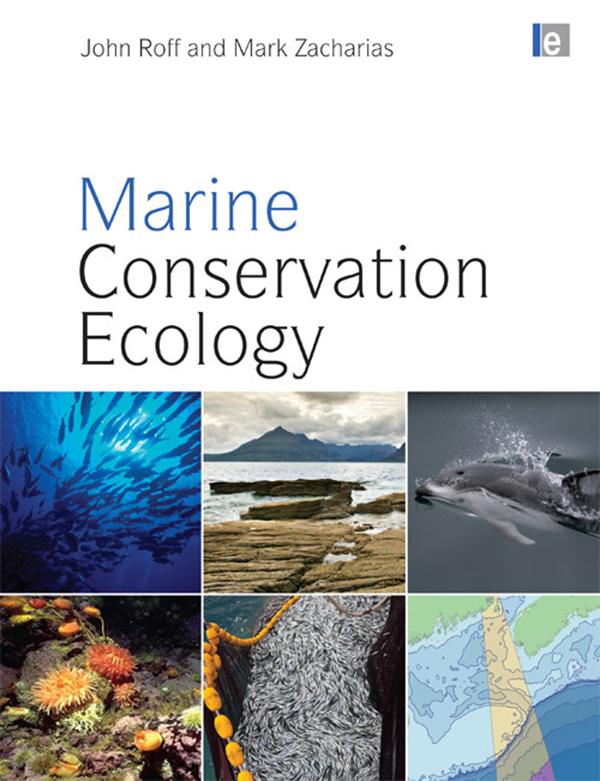
This major textbook provides a broad coverage of the ecological foundations of marine conservation, including the rationale, importance and practicalities of various approaches to marine conservation and management. The scope of the book encompasses an understanding of the elements of marine biodiversity - from global to local levels - threats to marine biodiversity, and the structure and function of marine environments as related to conservation issues.
The authors describe the potential approaches, initiatives and various options for conservation, from the genetic to the species, community and ecosystem levels in marine environments. They explore methods for identifying the units of conservation, and the development of defensible frameworks for marine conservation. They describe planning of ecologically integrated conservation strategies, including decision-making on size, boundaries, numbers and connectivity of protected area networks. The book also addresses relationships between fisheries and biodiversity, novel methods for conservation planning in the coastal zone and the evaluation of conservation initiatives.
Pay easily by card, Klarna, Apple Pay or Google Pay. Not happy? You always have a 14-day money-back guarantee. Read more in our terms. If you have any questions, email us at hello@memmo.org.
Memmo makes studying easier – wherever you are in the world. We bring your course books and smart study tools together in one place: summaries, quizzes, podcasts and flashcards. Plus Ted, your study buddy who answers anything you wonder. Over 50,000 students already study here – built to help you learn faster and stress less.